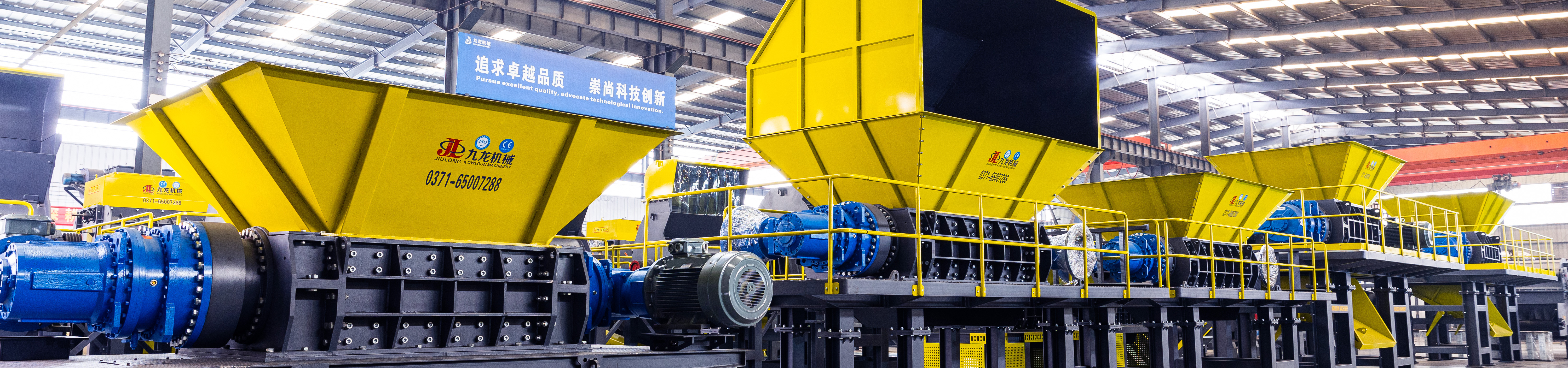
Target Materials: Wood chips, rice straw, corn stalks, rice husk and sugarcane bagasse.
Production capacity: Depending on the type of material, the output can reach 1-8 tons per hour (TPH).
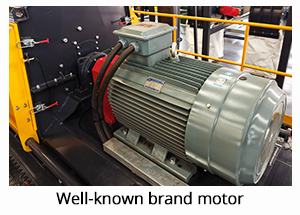
Motor Power Range: Heavy-duty configuration from 90kW to 355kW.
Output particle size: uniform fine grinding, with particle size controlled at ≤10mm, customizable screen mesh.
Core Advantages: High-alloy wear-resistant hammers, dual-direction rotor for double service life, and optimized airflow for dust-free, continuous operations.
Applicable Industy: Used in the production industries of wood, straw, fertilizer, pellet fuels, animal bedding and feeding, biomass coupled power plant, biogas power generation, biomass fuel, paper mill, etc.
Ready to upscale your bioenergy project? Contact us for a custom machine configuration and direct factory quote!
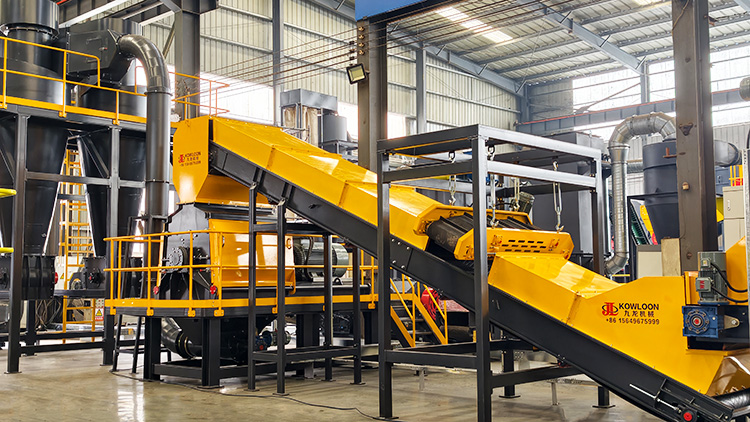
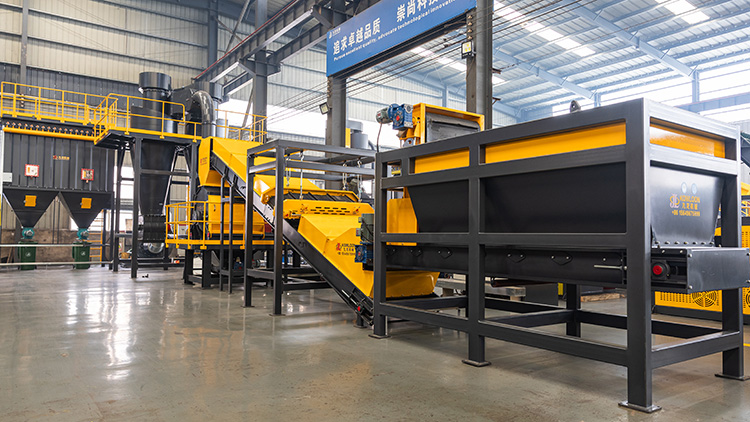
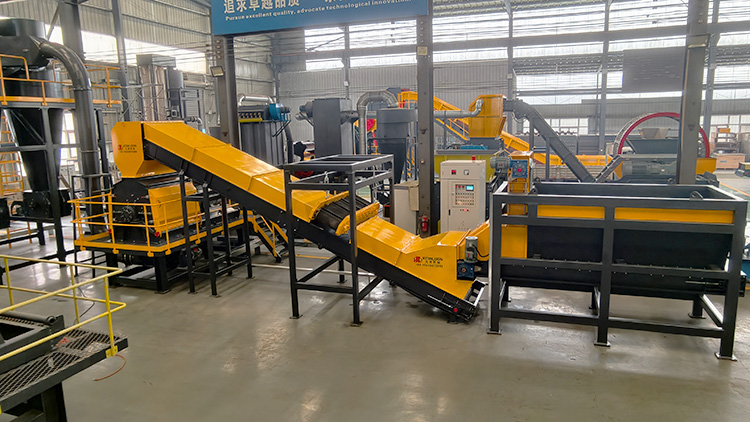
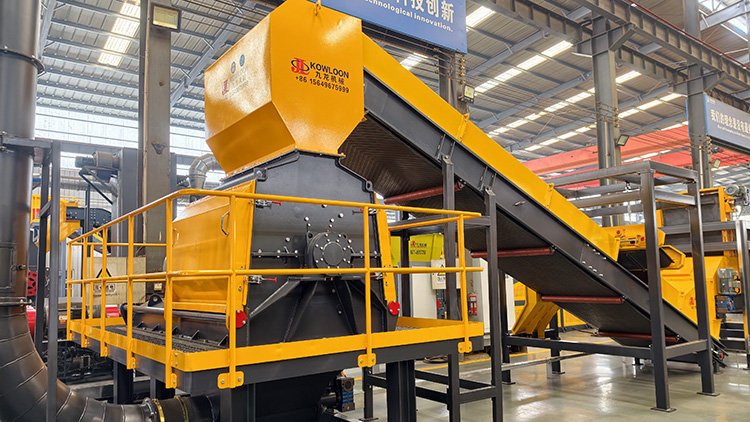


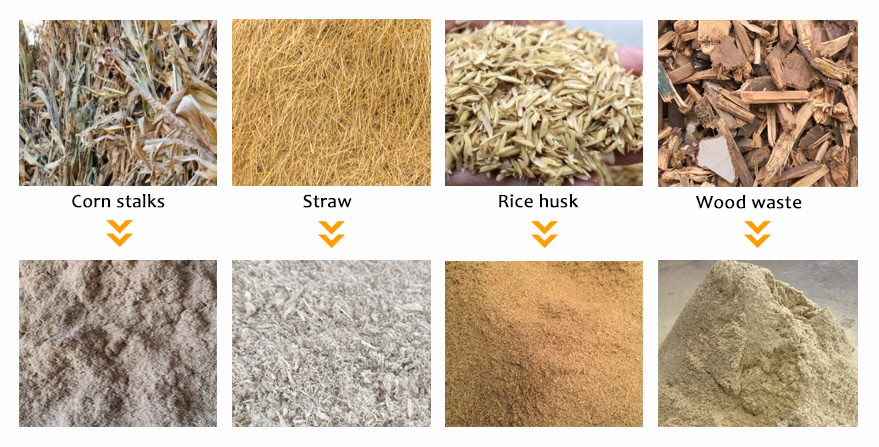
An industrial biomass hammer mill is a highly versatile pulverizer designed for secondary size reduction, transforming bulk and fibrous materials into a fine powder (≤10mm). Our high-efficiency hammer mills process a wide range of organic waste materials across three main categories:
1. Forestry and Wood Residues: Ideal for reducing the size of wood chips, sawdust, tree bark, wood trimmings, tree log and branch chips into the perfect fine feedstock required for premium wood pellet production and briquetting plants.
2. Agricultural Crop Waste: Efficiently crushes tough, fibrous crop residues such as rice straw, wheat straw, corn stalks, sugarcane bagasse, cotton stalks, grass, and hemp fiber, preventing clogging while consistently outputting uniform particle sizes.
3. Agro-Industrial Biomass and By-products: Capable of pulverizing bulk processing waste including peanut shells, rice husks, coconut shells, palm oil residues (EFB fibers), and corn cobs for bioenergy generation or organic fertilizer manufacturing.
💡 Expert Tip for Buyers: Different moisture levels and material densities directly affect your throughput (1–8 Tons/Hour). Contact us to get a custom rotor speed and screen mesh configuration tailored perfectly to your specific material.
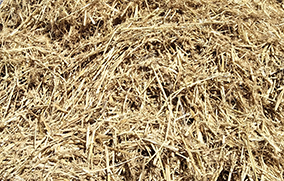
Rice Straw
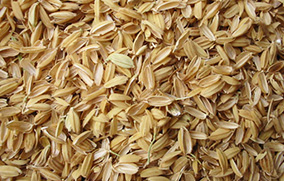
Rice Husk
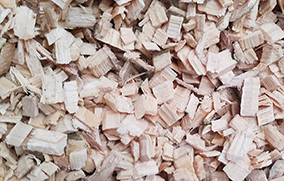
Wood Chips
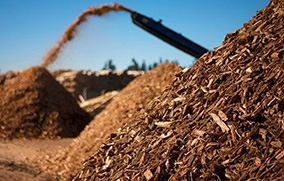
Wood Waste
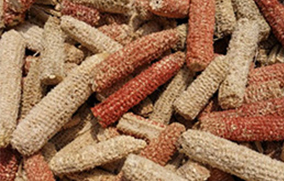
Corn Cob
The working principle of an industrial biomass hammer mill relies on a combination of high-speed impact, shearing, and grinding forces to reduce bulk materials into uniform particles. Here is the detailed breakdown of how the machine operates:
1. Material Feeding: Bulk biomass waste (such as wood chips, wheat straw, or corn stalks) enters the grinding chamber through the feed inlet.
2. High-Speed Kinetic Impact: Inside the crushing chamber, a dynamically balanced rotor revolves at high speeds. Centrifugal force extends the heavy-duty, high-alloy steel hammers. As the material enters, it is immediately struck by these rotating hammers with massive kinetic energy, fracturing the large fibers.
3. Collision and Shearing: After the initial impact, the material particles smash against the internal breaker plates and rub against each other at high velocity, achieving rapid secondary size reduction.
4. Sizing Through the Screen Mesh: Continuous airflow carries the pulverized material toward the bottom screen mesh. Particles crushed to the required size smoothly pass through the screen slots, while oversized materials remain in the chamber for further grinding until they meet the specification.
⚙️ Engineered for Continuous Flow: Our biomass hammer mills integrate an optimized pneumatic discharge system. The internal airflow not only accelerates the output through the screen mesh to reach a stable 1–8 Tons/Hour capacity, but also effectively prevents clogging when handling fibrous agricultural waste.
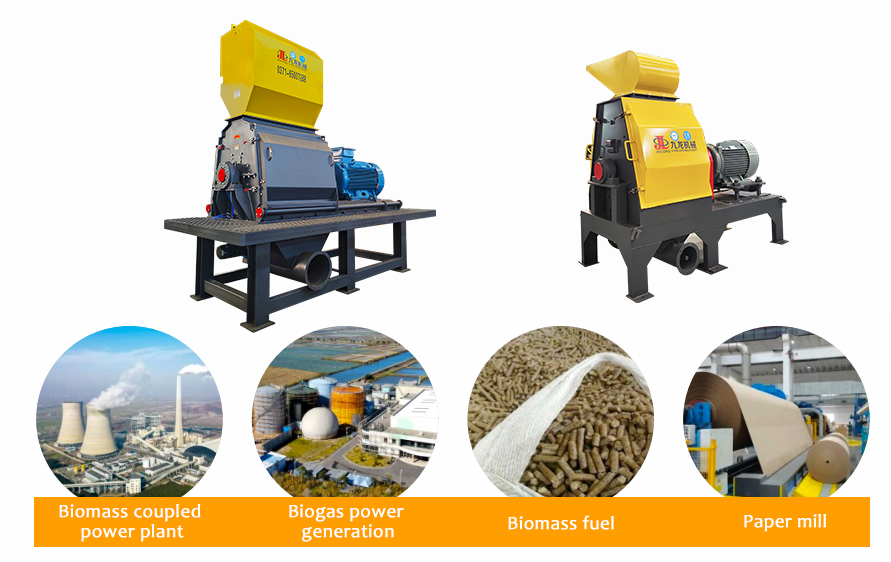
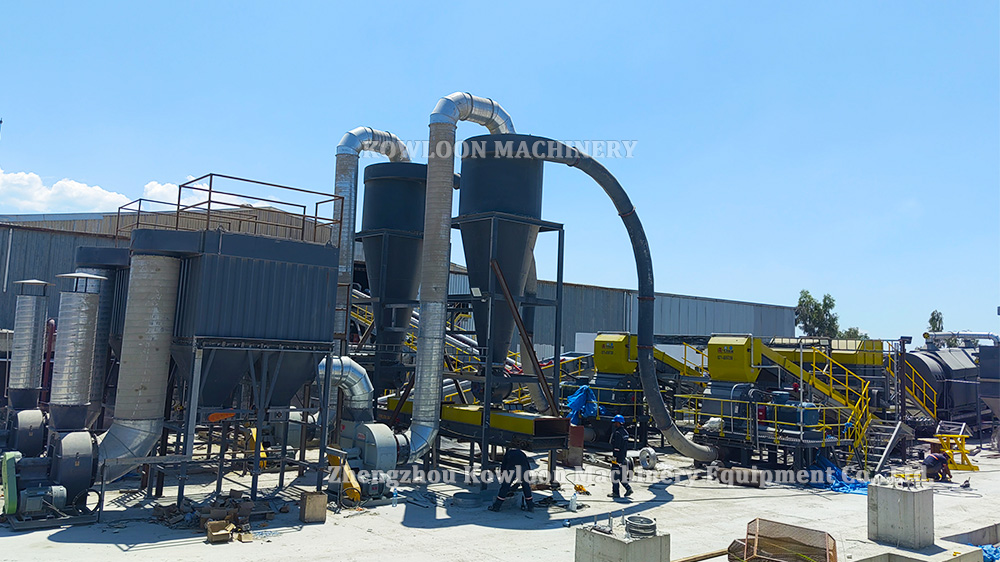
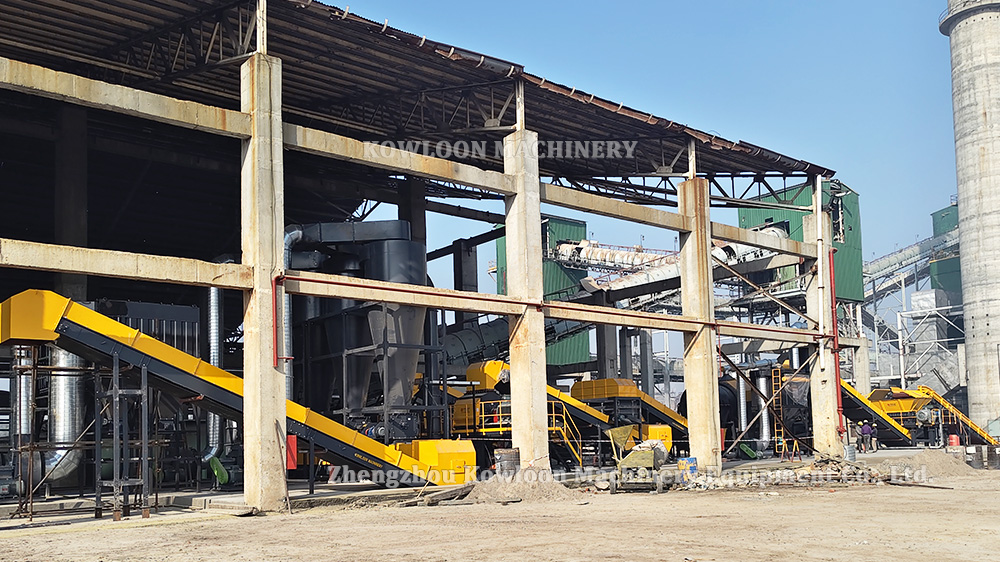
Our heavy-duty biomass hammer mills are deployed globally, driving high-efficiency size reduction for commercial pellet lines, bioenergy plants, and industrial boilers. Operating under rigorous conditions, Kowloon hammer mill systems consistently convert bulky agricultural and forestry waste into fine feedstock, helping international clients maximize their renewable energy ROI.
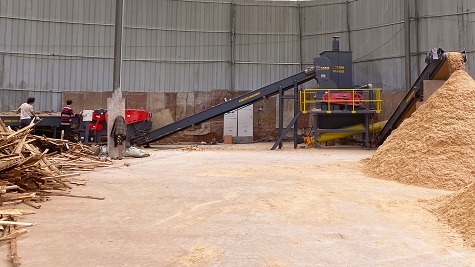
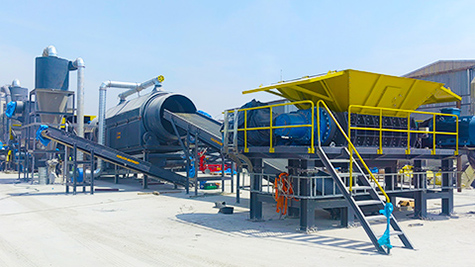
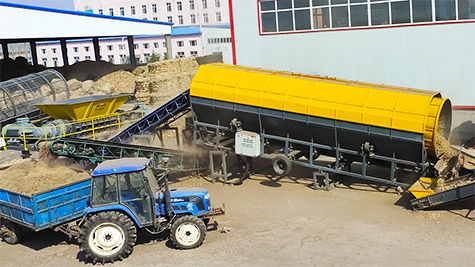
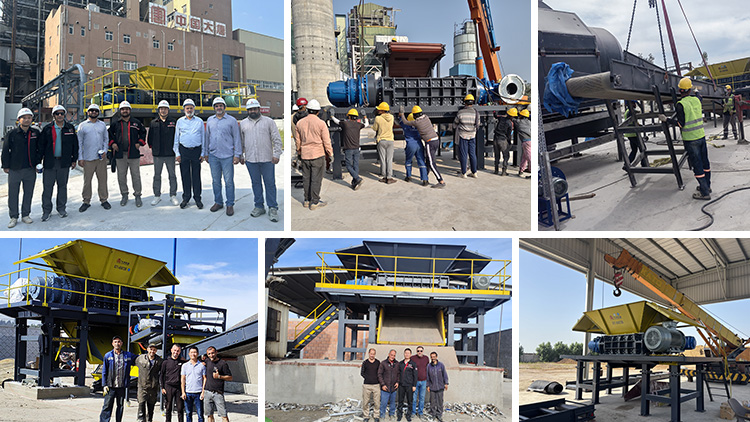
Project 1: In 2025, a power generation facility in Pakistan deployed our 355kW biomass hammer mills and complete straw recycling line with capacity 15 tons per hour (TPH) as biomass fuel.
Project 2: Kowloon successfully custom-engineered and deployed a complete, automated paddy straw recycling line for a large-scale biomass pellet manufacturing facility in Turkey. To meet the client's high-capacity requirements and ensure continuous factory uptime, the production line integrates two of our 315kW heavy-duty biomass hammer mills running in parallel.
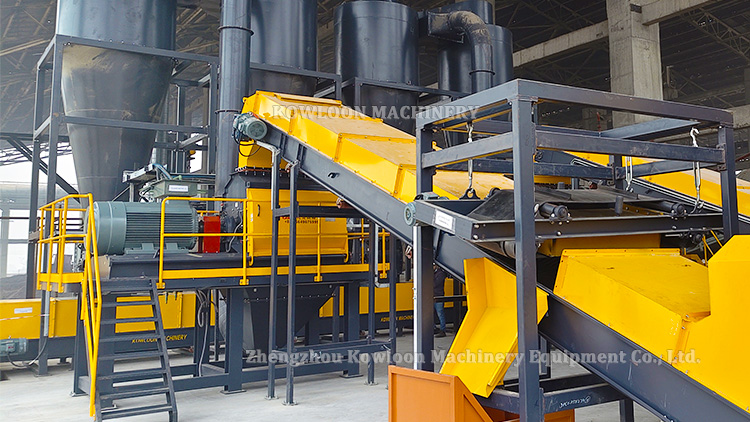
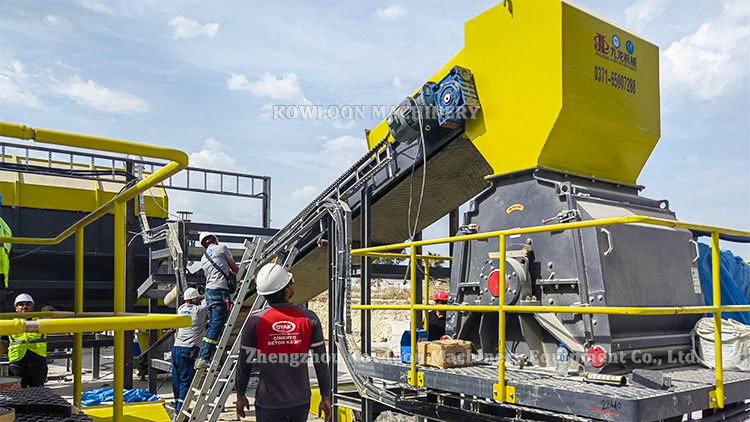
The following specifications table provides a detailed technical overview of Kowloon’s heavy-duty biomass hammer mills, engineered to deliver consistent sizing for biofuel manufacturing. Review the matrix below to match the exact model configurations—including cutting chamber dimensions, hammer quantities, rotor speeds, and customizable screen mesh sizes.
|
Model |
JLMF800V |
JLMF1200V |
JLMF1400V |
JLMF1416V |
|
Motor power |
90kw |
200kw |
250kw / 315kw |
355kw |
|
Motor |
brand WN, 380V 50HZ or customize |
|||
|
Bearing brand |
SKF |
|||
|
Output material |
≤φ10mm |
≤φ10mm |
≤φ10mm |
≤φ10mm |
|
Hammer blade |
72units, made of 65Mn (with sic coating) | 90units, blade material 65Mn (quenched and tempered, with sic coating) | 90units, blade material 65Mn (quenched and tempered, with sic coating) | 250units, blade material 65Mn (quenched and tempered, with sic coating) |
|
Rotary speed |
2200rpm |
2980rpm |
2980rpm |
2980rpm |
|
Working capacity |
1-3 tons/hour |
4-6 tons/hour |
5-6 tons/hour |
6-8 tons/hour |
|
Weight |
3850kg | 4500kg | 6000kg | 8000kg |
Looking for a customized biomass recycling solution? Tell us your raw material, capacity, and available space. Our engineers will recommend the right model, provide a price list, and design a free 2D factory layout plan for your biomass recycling business. Contact us now!
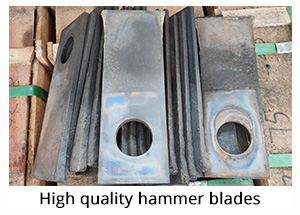
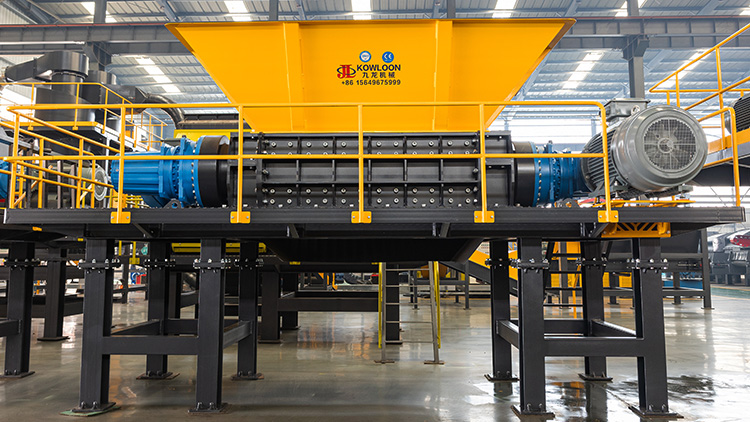
The crushing elements are crafted from heavily hardened manganese steel blades. This premium alloy material delivers exceptional wear resistance and heavy impact resistance when pulverizing tough agricultural fibers (like rice straw, wheat stalks, and corn cobs), significantly extending blade service life and lowering spare parts procurement costs.
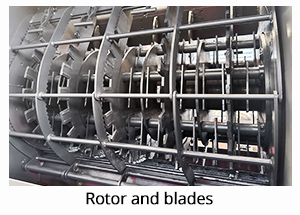
The specialized built-in rotor is strategically engineered with two different hammer-screen clearance gaps within a single chamber. This innovative multi-functional capability allows the same hammer mill to switch between or satisfy both coarse and fine grinding requirements, eliminating the need for investing in multiple processing machines.
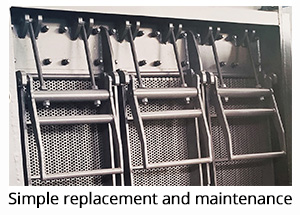
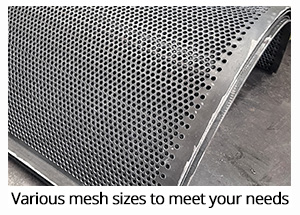
Equipped with a quick-detachable screen featuring an advanced U-shaped wrapping design, operators can swap screens rapidly without complex tools. We offer a wide variety of screen mesh specifications, allowing you to easily adjust and achieve an ultra-fine output fineness of down to 3 mm, perfectly preparing feedstock for premium pellet production.
Utilizing a scientifically and mathematically optimized hammer arrangement, the dynamically balanced rotor runs with extremely low vibration and minimal noise. This balanced distribution ensures uniform shearing forces, delivering a highly consistent, homogenous finished product (≤10mm) that optimizes the subsequent drying and pelletizing processes.
By pairing the mechanical hammer forces with an optimized internal aerodynamic airflow design, the system accelerates the passage of compliant fine powder through the screen slots. This pneumatic assistance effectively prevents sticky or high-moisture agricultural waste from wrapping or clogging, guaranteeing a stable, high-throughput capacity of 1–8 Tons/Hour (TPH).
Engineered with a heavy-duty integral base design, the entire machine frame absorbs operational kinetic energy effectively. This structural stability protects internal bearings and driving shafts from shifting, ensuring reliable continuous performance even when operating at a peak motor power of 355kW.
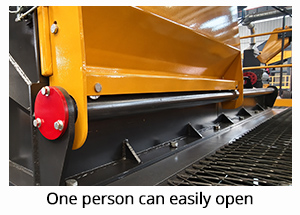
The machine features an engineered fully open operating door design that grants technicians complete and unobstructed access to the internal crushing chamber. This user-friendly structural layout simplifies daily inspection, speeds up hammer rotations, and slashes routine maintenance downtime to keep your bioenergy plant running continuously.
All key structural components and critical wear sectors are welded using premium, international standard thick steel plates. This high-grade industrial welding dramatically improves the overall structural tensile strength, prevents frame deformation under high loads, and ensures an extended equipment service life in harsh biomass recycling environments.
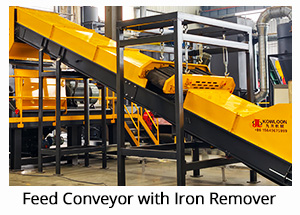
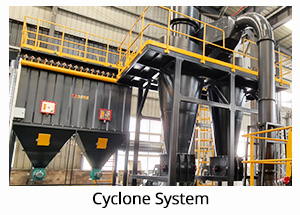
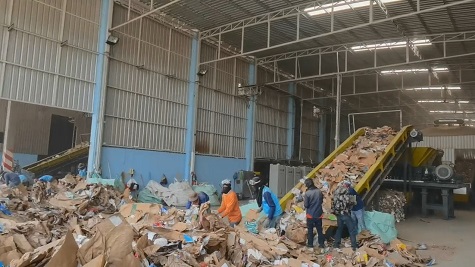
Straw Shredding & Recycling Process: To recycle agricultural straw, bulky baled or loose paddy straw is first fed into a primary shredder to break down the tough, elongated stalks into manageable lengths. The pre-shredded straw passes through a magnetic separator to remove metal wires or tramp iron, and then the material enters Hammer Mills. Hardened manganese steel hammers rapidly pulverize the resilient straw fibers into a uniform, fine powder at a high-throughput capacity of 1–8 TPH. An integrated pneumatic cyclone system continuously draws out the finished feedstock, ensuring a dust-free environment and providing premium raw material for large-scale bioenergy plants or commercial biofuel pellet production lines.
Wood Chipping & Grinding Process: The wood recycling line is engineered to process forestry waste, sawmill shavings, and bulky logs into uniform feedstock. The system starts with a heavy-duty drum chipper or primary shredder that coarsely crushes the massive timber into uniform wood chips (30mm–50mm). After a magnetic separator extracts any nails or bolts, the pre-treated wood chips are then routed into the Hammer Mill. Operating at peak power, the dynamically balanced rotor smashes the wood chips against internal breaker plates, utilizing an advanced U-shaped screen mesh to deliver an ultra-fine output size of ≤10mm at 1–8 TPH. A pneumatic discharge system instantly collects the premium sawdust for industrial boiler co-firing or high-density wood pellet manufacturing.
| Comparison Item | Biomass Hammer Mill (Secondary Grinder) | Biomass Straw Shredder (Primary Shredder) |
| Main Function | Fine grinding, fiber pulverizing, and final sizing. | Coarse shredding, bale breaking, and initial size reduction. |
| Input Material Size | Pre-shredded materials or small chips (Typically <50mm). | Large bulk materials (Complete straw bales, massive logs, bundled stalks). |
| Output Particle Size | Ultra-fine, highly uniform powder (≤10mm). | Coarse pieces or long fibers (30mm – 100mm). |
| Working Mechanism | High speed, high kinetic impact. Rotating hammers smash materials. | Low speed, high torque. Hooks/blades shear and tear materials. |
| Role in Recycling Line | Delivers the exact particle specifications required for pelletizing or boiler injection. | Pre-treats raw biomass to make it pumpable and uniform for downstream drying. |
A: Hammer blade lifespan depends directly on the abrasiveness of the material; for example, high-silica rice straw wears steel faster than clean forestry wood shavings. To maximize lifespan, our hammer mills utilize hardened manganese steel blades and feature a dual-direction rotor system. This engineering design allows operators to reverse the motor's spinning direction to utilize the second sharp edge of the hammers, doubling the blade usage time before requiring a full replacement.
A: The main difference lies in their working mechanics and output sizing. A biomass straw shredder operates at low speeds with high torque, using shear blades to coarsely tear bulk bales into 30mm–100mm pieces. Conversely, a biomass hammer mill operates at high speeds, using rotating manganese steel hammers to smash pre-shredded chips into highly uniform, ultra-fine powder (≤10mm) for alternative fuel production.
A: No, whole wood logs and compressed straw bales cannot be fed directly into a high-speed hammer mill, as they will choke the rotor and cause overloading. A complete commercial recycling line requires a two-stage reduction process: first, an entry-stage primary shredder or chipper coarsely breaks the bulk waste down to <50mm; second, the pre-shredded material is routed into the hammer mill for fine pulverization.
A: Magnetic separator is mandatory to extract tramp metals (such as nails, bolts, and wires) from the raw feedstock. Because the hammer mill rotor revolves at extreme velocities, any foreign metal object entering the grinding chamber will cause catastrophic damage to the high-alloy steel hammers and tear the delicate screen mesh, resulting in expensive repair downtime and safety hazards.
A: Motor selection depends entirely on your raw material density, toughness, and target output. Soft wood shavings and brittle agricultural residues require less power (typically 90kW–160kW). However, hard timber logs, dense wood chips, or highly fibrous paddy straw bales require our heavy-duty configurations (200kW to 355kW) to maintain a stable high-velocity impact and maximize continuous operational uptime.
A: Our biomass hammer mill delivers highly consistent fine powder controlled at ≤10mm. The output particle size is fully adjustable by changing the screen mesh specifications. Featuring a quick-detachable U-shaped wrapping screen design, operators can swap different screen sizes rapidly to meet the precise feedstock requirements for your specific pelletizing or boiler co-firing application.
A: Screen clogging is primarily caused by two factors: high material moisture content (above 15%) and insufficient airflow. To prevent clogging when processing sticky or fibrous agricultural crop waste, you must ensure the raw material is dried to 12%–15% moisture beforehand. Additionally, integrating an optimized pneumatic discharge system with an induced draft fan creates negative pressure, drawing the fine powder through the screen slots instantly.
A: Operator safety and machine protection are our top priorities. The hammer mill is equipped with a fully open operating door with a safety mechanical interlock, preventing the machine from starting while the door is open. Furthermore, the rotor is dynamically balanced to eliminate high-speed vibration, and we strongly mandate installing a magnetic separator on the feeding conveyor to prevent tramp metal from entering the chamber and causing catastrophic internal damage.
Share your raw materials, required capacity, and outlet material size with us. Our engineers will analyze your project, recommend the suitable model, provide a detailed price together with a free 2D layout plan for you.
Choosing Kowloon Machinery’s biomass hammer mill means investing in high-efficiency sizing (1–8 TPH) and industrial-grade durability. Driven by heavy-duty motors (90kW–355kW), our systems feature dynamically balanced rotors and hardened manganese steel hammers that effortlessly pulverize tough agricultural and forestry waste into uniform powder (≤10mm, down to 3mm). Designed with an anti-cllogging pneumatic discharge system and a quick-change U-shaped screen, Kowloon maximizes airflow to eliminate material wrapping. Built with international standard steel plates and an ultra-stable integral base, it slashes maintenance downtime, doubling blade lifespan while ensuring continuous factory uptime and maximum ROI.
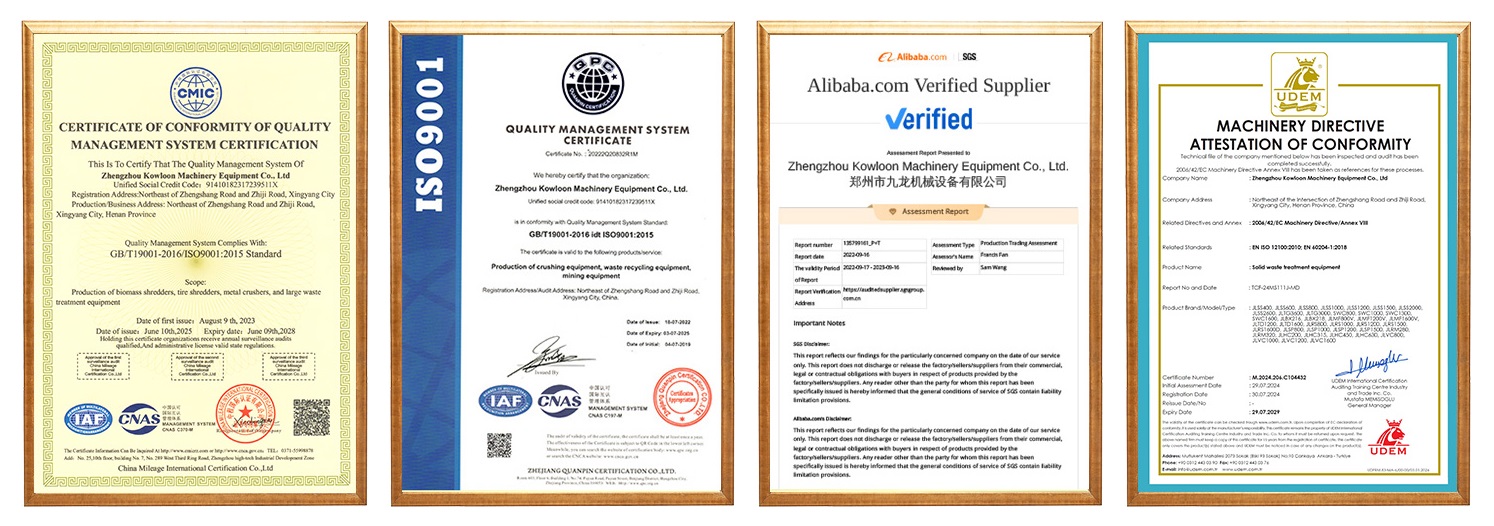
With 20 years of experience in recycling equipment manufacturing, Kowloon Machinery provides reliable equipment designed for demanding industrial applications. More than 3000 machines have been delivered to over 80 countries, serving metal recycling plants, tire recycling lines, biomass waste recycling factory, and solid waste processing projects worldwide. Every shredder is fully tested before shipment to ensure stable performance and long service life. Backed by CE and ISO certifications, professional engineering support, and customized recycling solutions, Kowloon Machinery helps customers build efficient and profitable shredding systems.
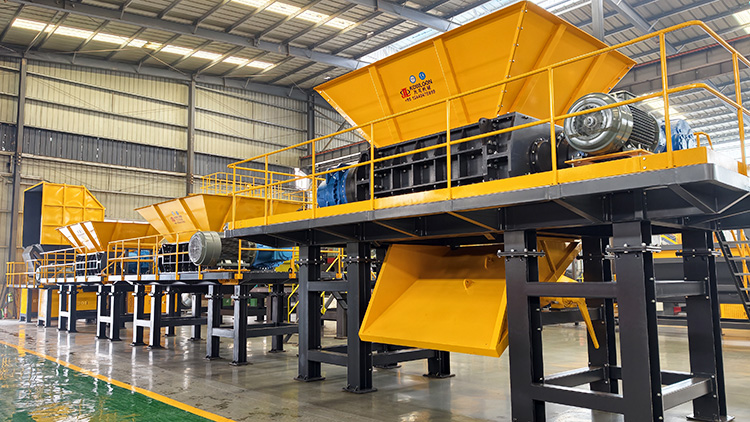
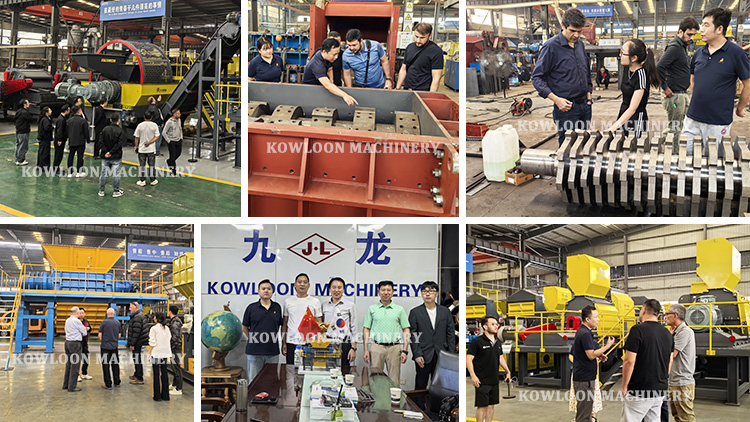
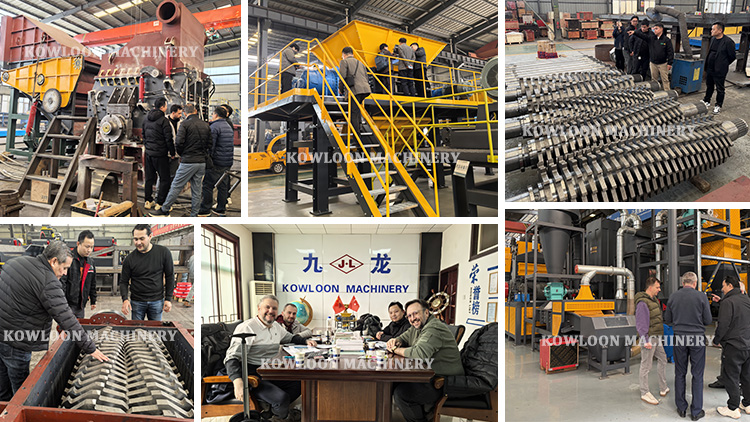
We warmly welcome customers from around the world to visit our factory and see the equipment manufacturing process in person. During the visit, you can observe raw material machining, blade production, machine assembly, and live testing with real materials. This transparent process helps customers clearly understand our production standards, quality control, and equipment performance before placing an order.
Our engineers will also provide on-site explanations and discuss your project requirements, offering practical suggestions for your biomass waste recycling line. A factory visit is the best way to build confidence in the machine quality and our long-term cooperation.
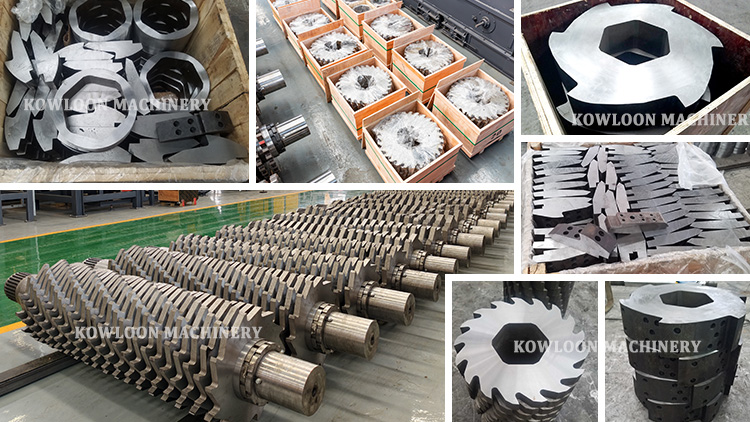
To ensure long-term, stable operation of the equipment, we provide a complete spare parts supply system and reliable after-sales support. Key components such as shredder blades, shafts, bearings, and gearbox parts are manufactured with high-strength alloy materials and kept in regular stock for fast replacement. Our blade design focuses on wear resistance and easy maintenance, allowing customers to reduce downtime and operating costs.
We also offer clear guidance on blade replacement, routine maintenance, and spare parts management. With sufficient inventory and responsive technical support, customers can quickly obtain original parts and professional assistance whenever needed, ensuring the equipment continues to run efficiently in demanding biomass waste recycling environments.
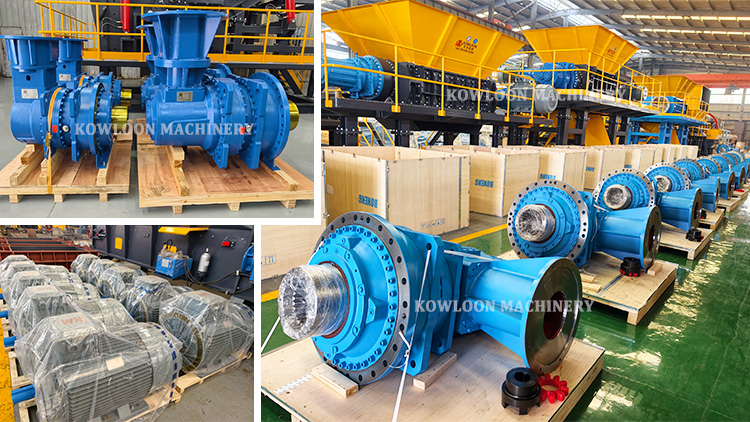
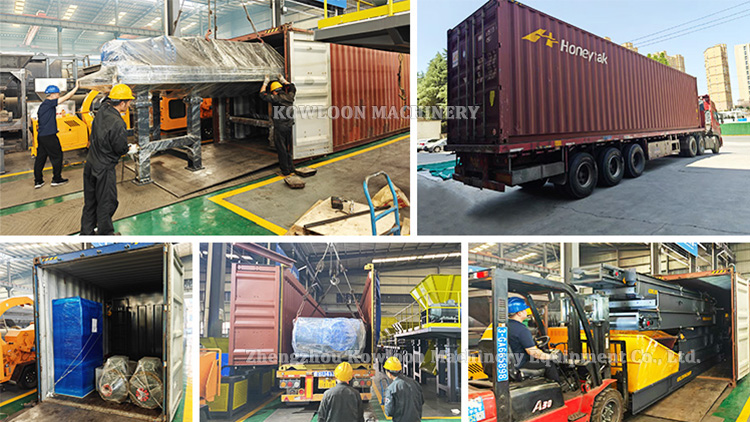
We provide complete support for the shipping and installation of every equipment to ensure smooth delivery and fast commissioning at the customer site. Before shipment, each machine is carefully packed, reinforced, and loaded to prevent damage during long-distance transportation. Detailed layout drawings, foundation requirements, and electrical connection plans are prepared in advance to help customers get ready before the equipment arrives.
After delivery, our engineers offer remote guidance or on-site installation support, including assembly, wiring, testing, and operator training. From unloading the machine to trial operation with real biomass materials, we ensure the equipment runs safely and efficiently as part of the biomass straw recycling line.
Our equipments are manufactured in compliance with international quality and safety standards to ensure reliable performance in demanding recycling environments. The equipment is built according to CE requirements for machinery safety and follows ISO quality management standards throughout the production process. From raw material selection and machining to assembly and final testing, every step is strictly controlled to guarantee durability and operational stability. Certification documents and test reports can be provided upon request, giving customers full confidence that the equipment meets global industry requirements for biomass waste recycling applications.