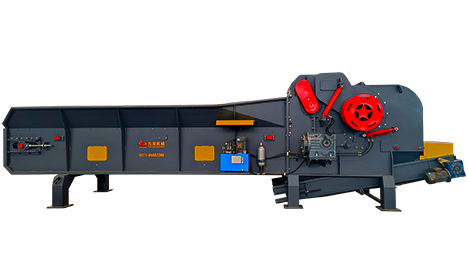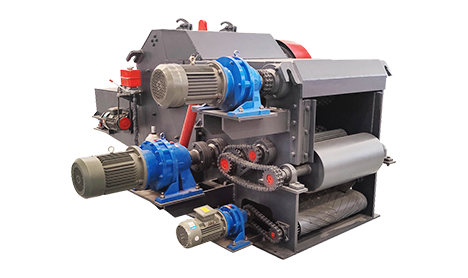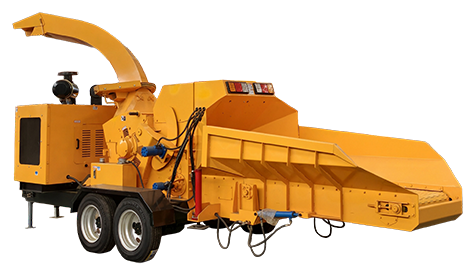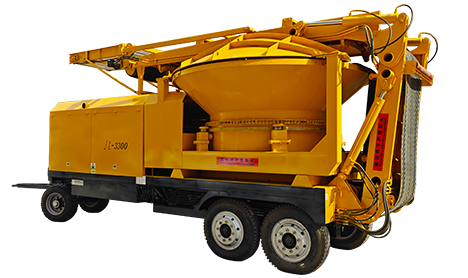
Main Equipment: Crop Stalks Shredder, Grain Crusher, Baler, etc.
Applicable Materials: Agricultural Waste, Straw, Corn Stalks, Maize Stalks, Sugarcane Bagasse, Forestry Residues, etc.
Application Industries: Silage and animal feed making, forage processing centers, agricultural waste recycling projects
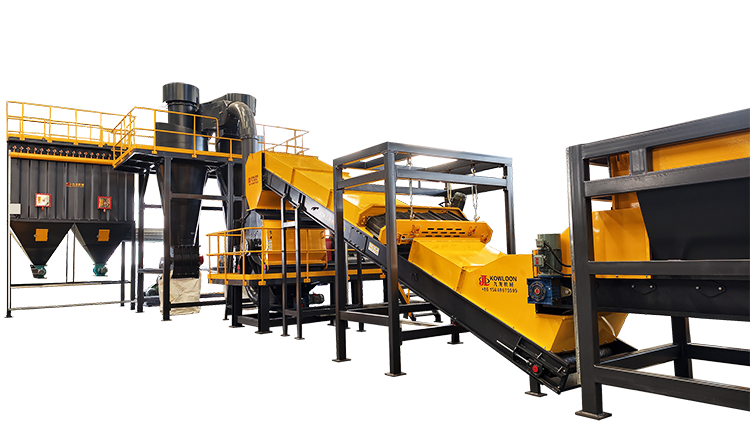
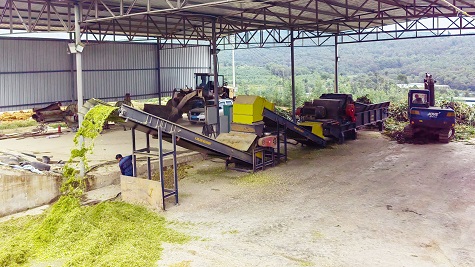
Biomass Waste Recycling Plant is a complete processing system designed to convert various biomass materials into valuable reusable products through shredding, crushing, screening, grinding, conveying, and baling processes.
Kowloon Machinery provide one-stop services including design, production, installation and training, and customize the best solution according to your needs.
Biomass Recycling Plant is an integrated processing system designed to convert agricultural waste, crop residues, forestry waste, and other organic biomass materials into valuable products such as livestock feed, biomass fuel, compost materials, or renewable energy feedstock. By reducing material size, improving handling efficiency, and maximizing resource utilization, biomass recycling plants help transform low-value organic waste into profitable resources.
For agricultural applications, one of the most common biomass recycling solutions is the Silage Resource Recycling Line. This system processes fresh corn stalks and other forage crops through chopping, crushing, conveying, and silage preparation processes, producing high-quality fermented feed for cow, sheep, horse, and other livestock operations.
Compared with traditional disposal methods such as open-field burning or waste accumulation, a biomass recycling plant provides a more sustainable and environmentally friendly approach to agricultural waste management. It helps farmers reduce waste, preserve valuable nutrients, improve feed availability throughout the year, and create additional economic value from crop residues.
Kowloon Machinery offers customized biomass recycling solutions with capacities and configurations tailored to different raw materials, production requirements, and farm scales, helping customers achieve efficient biomass utilization and long-term operational benefits.
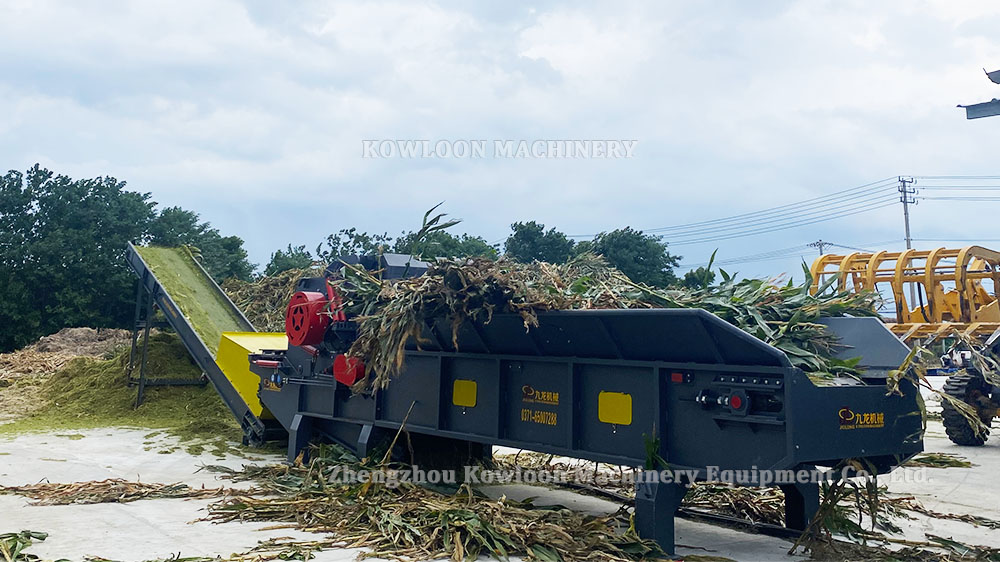
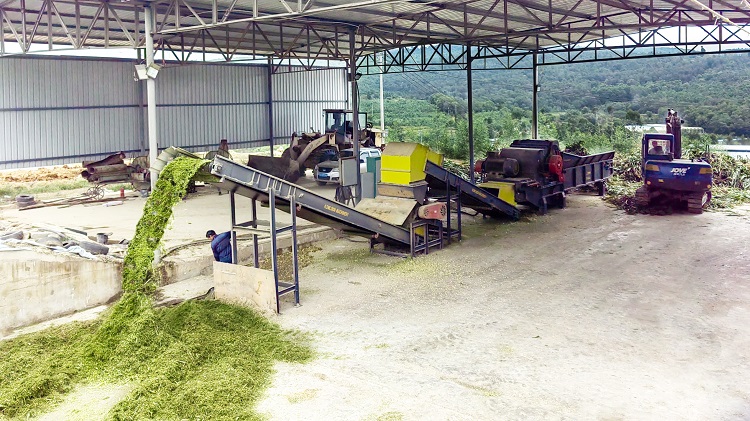
Biomass waste recycling system can be used for crushing various crop straws and forage such as green (dry) corn stalks and straw for agricultural and livestock feed processing. Silage feed is a type of feed that is preserved through anaerobic fermentation, which can maximize the retention of nutrients from green feed, with good palatability and high digestibility. It’s suitable for breeding livestock such as cattle, sheep, horses, and deer. The system has the characteristics of reasonable design, simple structure, low failure rate, and long lifespan, and is widely used in large-scale breeding plants, etc.
Common materials processed by a biomass recycling plant include:
√ Agricultural Crop Residues: Various agricultural by-products can be recycled into silage feed, including corn stalks, cotton stalks, soybean stalks, sugarcane bagasse, wheat straw, rice straw, peanut vines, and other crop residues that are often discarded or burned after harvest. After chopping and silage preparation, these materials become a valuable feed source for cattle and dairy farms.
√ Sorghum and Forage Crops: The line can efficiently process alfalfa, sorghum, ryegrass, oat grass, elephant grass, and other forage crops. Uniform cutting size helps improve fermentation quality and feed digestibility.
√ Fresh Green Biomass: Fresh grass, pasture plants, and other high-moisture biomass materials can be processed and preserved through silage fermentation, maintaining their nutritional value for long-term storage and livestock feeding.
Kowloon Machinery can provide tailored biomass recycling solutions based on material type, moisture content, desired output size, and production capacity requirements.
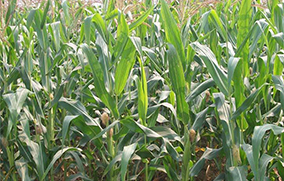
Corn Stalks
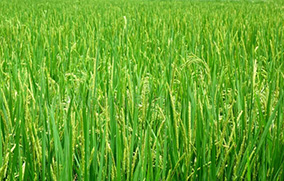
Rice Stalks
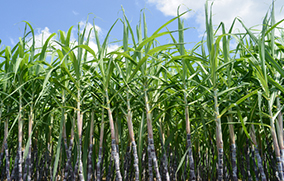
Sugarcane Stalks
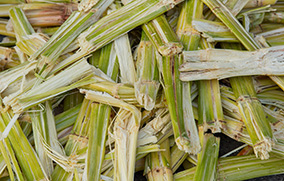
Sugarcane Bagasse

Cotton stalk
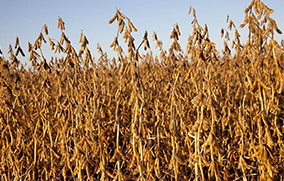
Soybean Stalk
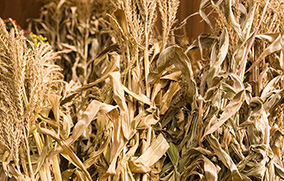
Dry Stalk

Forage Grass
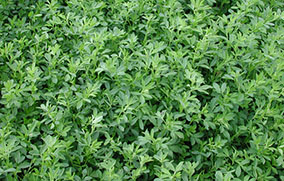
Alfalfa
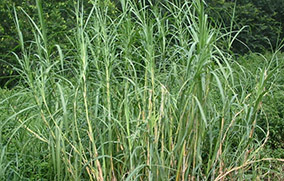
Elephant Grass
The Biomass Recycling Line is designed to transform corn stalks, rice stalks, sugarcane bagasse, forage crops, and agricultural residues into high-quality silage feed through a continuous and efficient processing workflow. By integrating chopping, crushing, conveying, baling, and silage preparation, the line helps farms maximize the value of biomass resources while reducing agricultural waste.
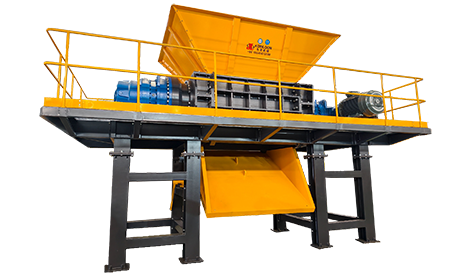
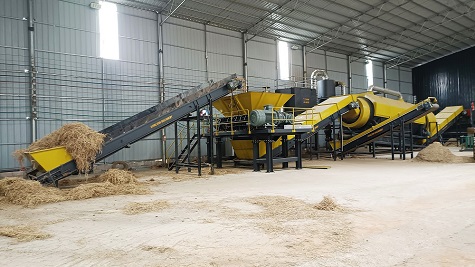
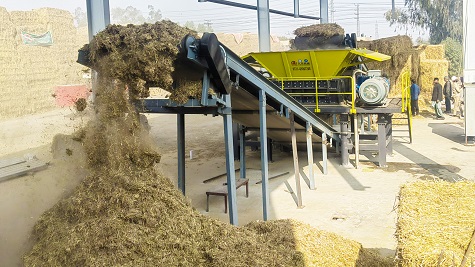
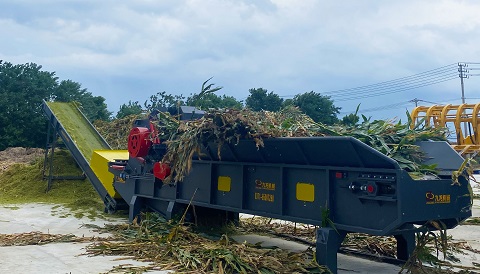
Raw materials are first fed into the system and chopped into uniform sizes by a heavy duty chipper shredder, improving fermentation efficiency and feed digestibility. The processed biomass is then conveyed automatically to the baling stage packed into silage bags, where excess air is removed to create ideal conditions for anaerobic fermentation, and sealed for long-term preservation. During fermentation, beneficial microorganisms help retain nutrients and improve feed quality. The final silage product is rich in nutritional value, easy for livestock to digest, and suitable for dairy farms, cattle farms, sheep farms, and other livestock operations. This process not only improves feed utilization but also transforms agricultural waste into valuable resources, supporting sustainable farming and agricultural recycling.
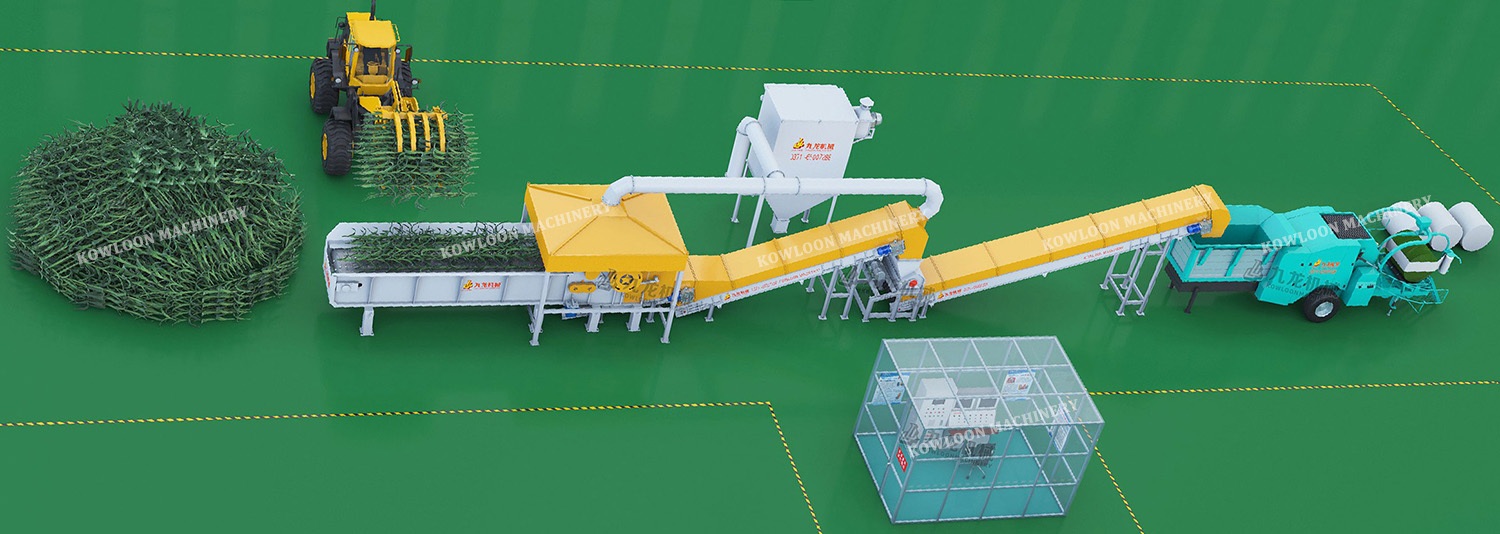
Advanced chopping technology produces consistent particle sizes, improving silage compaction, fermentation efficiency, and livestock feed digestibility.
The integrated feeding, conveying, chopping, and packing system reduces manual labor requirements and ensures continuous, efficient operation.
By preserving nutrients through proper processing and fermentation, the line helps produce high-quality silage feed with excellent palatability and nutritional value.
Crop residues that are often burned or discarded can be transformed into valuable livestock feed, supporting sustainable farming and resource utilization.
The system can be customized for small farms, large dairy operations, forage processing centers, and commercial silage production projects with different capacity requirements.
Manufactured with high-quality materials and wear-resistant components, the equipment is designed for long-term operation in demanding agricultural environments.
The silage making process creates an anaerobic environment that effectively preserves nutrients and reduces spoilage during long-term storage. Compared with traditional feed storage methods, high-quality silage can significantly lower feed losses, ensure a stable year-round feed supply, and help farms reduce overall feeding costs.
Kowloon Machinery provides customized equipment selection, plant layout design, installation guidance, operator training, and after-sales support to help customers achieve efficient biomass recycling and silage production.

Tell us your raw material type, capacity, and workshop size. Our engineers will recommend the right model, provide a price list, and design a free 2D layout plan for your recycling business. Contact us now!
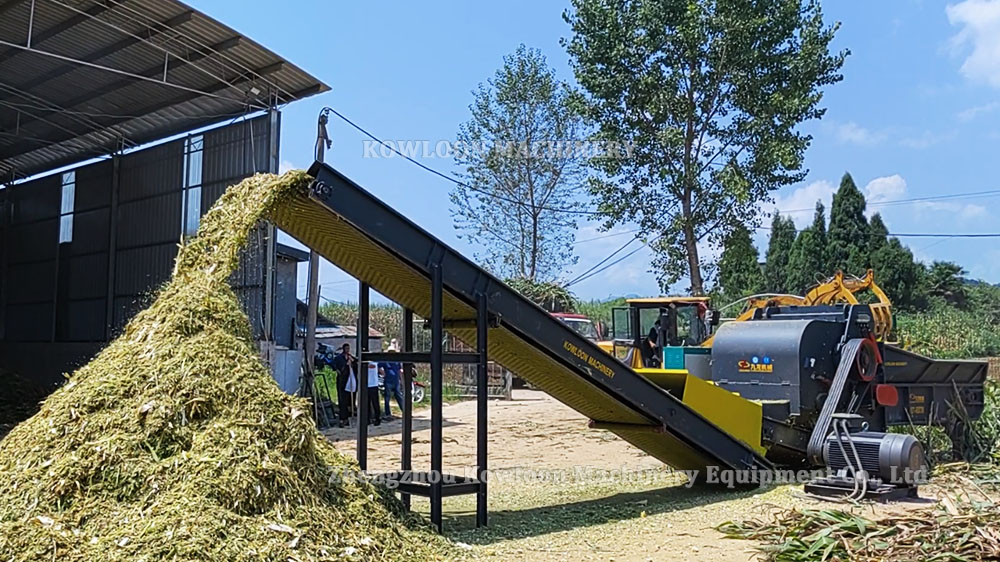
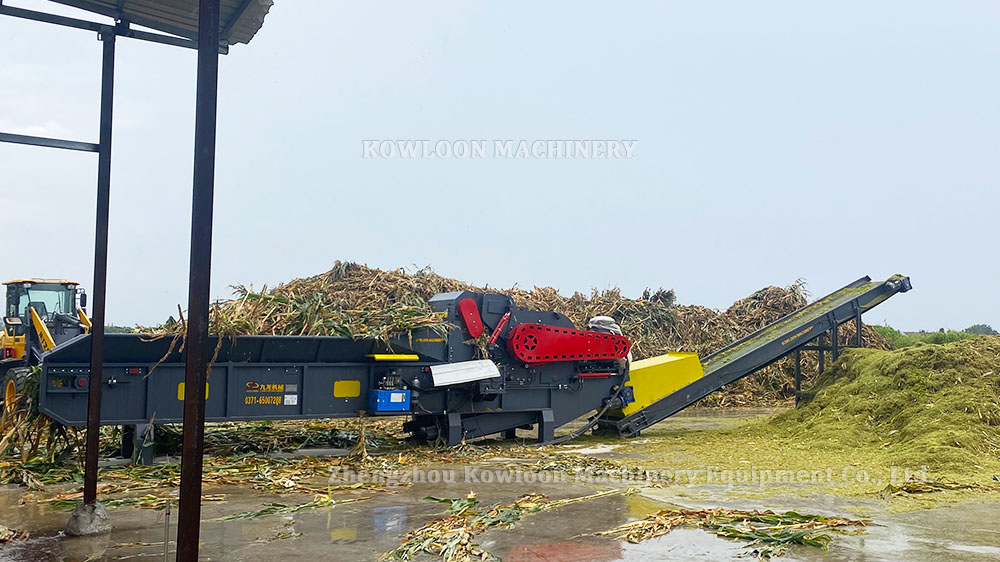
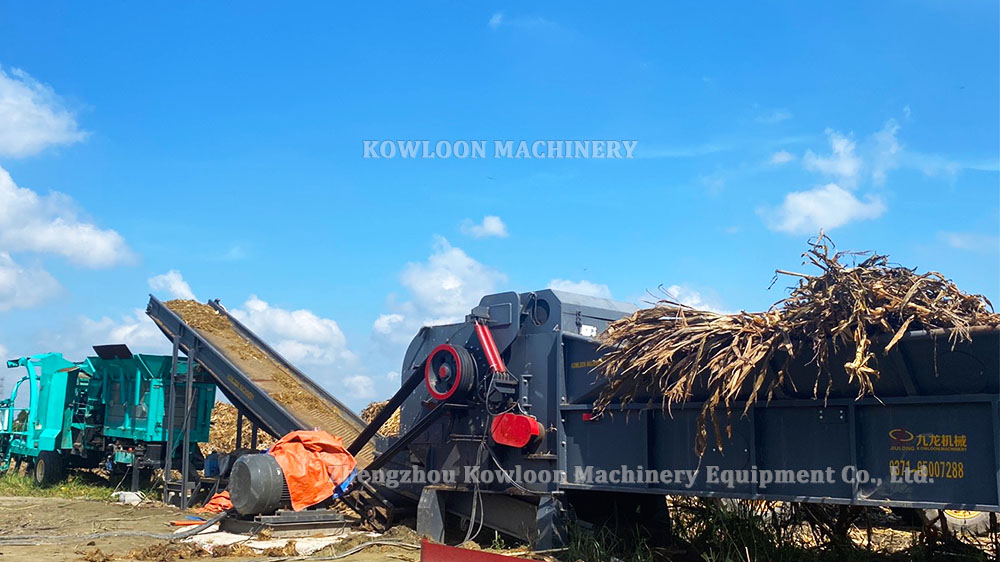
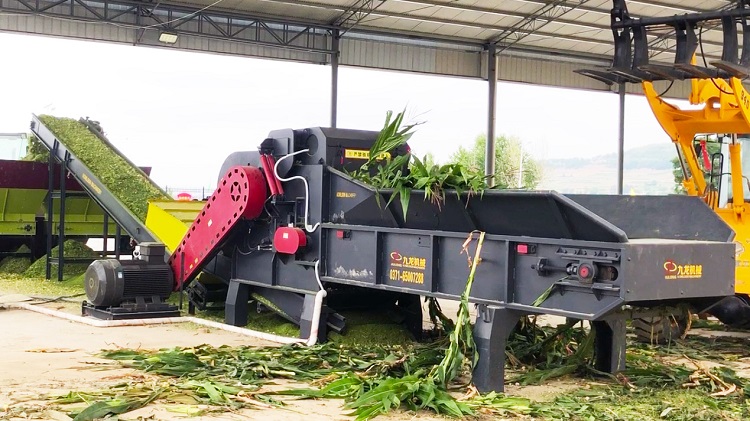
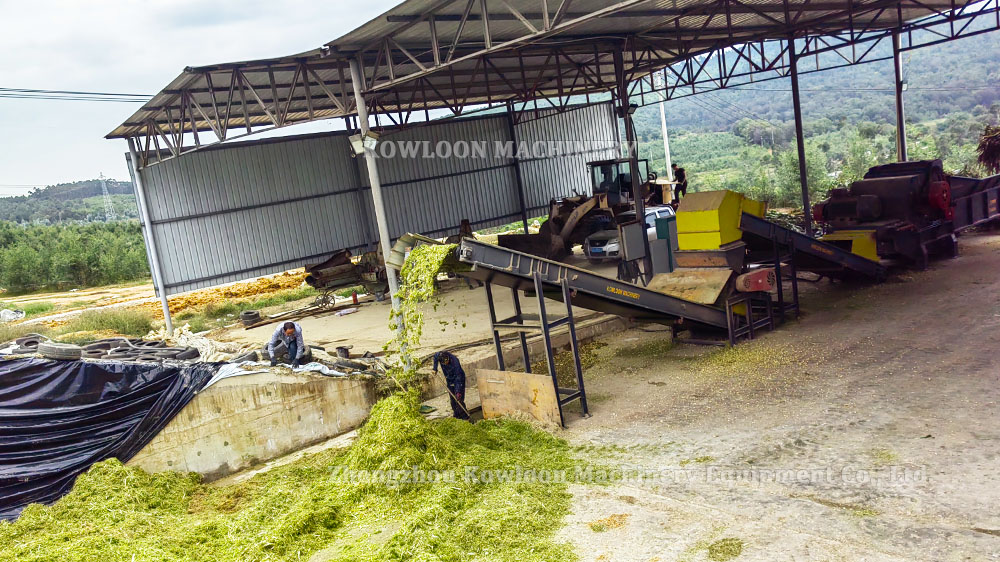
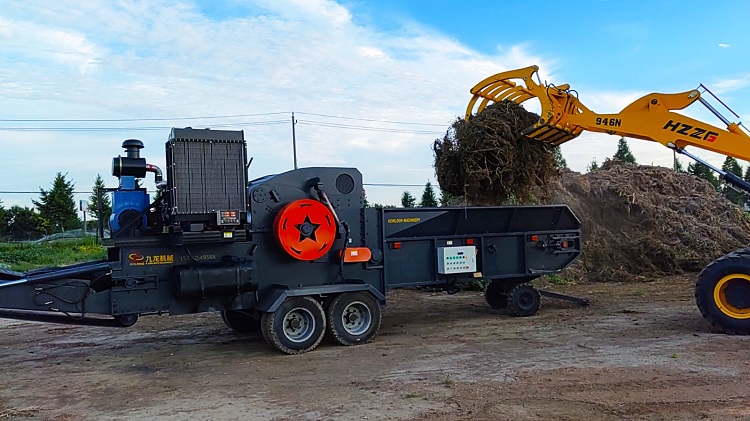
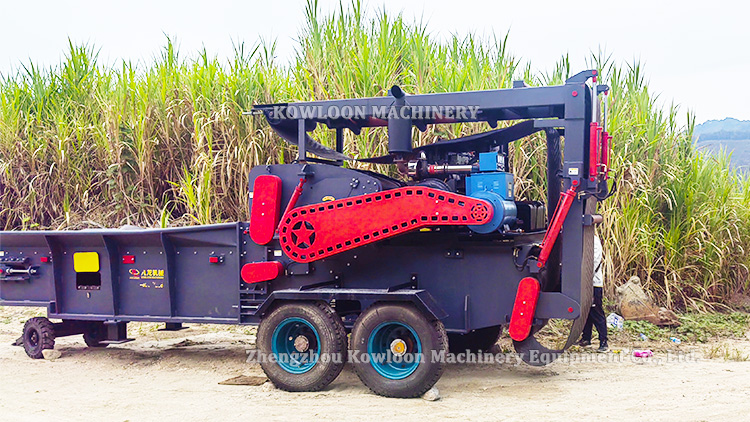
Kowloon Machinery has successfully delivered biomass recycling and silage processing solutions to customers worldwide. Our equipment is widely used for processing corn stalks, forage crops, agricultural residues, and other biomass materials into high-quality livestock feed. From small farms to large-scale agricultural enterprises, we provide customized equipment configurations, professional technical support, and turnkey project services based on different raw materials, capacities, and operational requirements. The following projects demonstrate how our biomass recycling machines help customers improve feed utilization, reduce agricultural waste, and create additional value from biomass resources.
A: The primary output is high-quality silage feed suitable for dairy cattle, cow, sheep, goats, and other livestock. Depending on the project, the system can also be adapted for other biomass utilization applications.
A: The line is used to convert fresh corn stalks and other forage crops into high-quality silage feed. Proper chopping, compaction, and storage help preserve nutrients, improve feed digestibility, and provide a stable feed source for livestock throughout the year.
A: The cutting size can be adjusted according to livestock feeding requirements. Uniform particle size helps improve silage compaction, fermentation quality, and feed intake.
A: Yes. The system is designed to handle fresh biomass materials with relatively high moisture content, including freshly harvested corn plants and forage crops commonly used for silage production.
A: Yes. We provide customized solutions based on raw materials, capacity requirements, available space, and storage methods. Our engineers can also assist with plant layout design and equipment selection.
A: Yes. Kowloon Machinery provides installation guidance, equipment commissioning, operator training, and long-term technical support to help customers achieve stable operation.
A: When properly compacted and sealed, silage can typically be stored for several months to over a year while maintaining its nutritional value. The actual storage period depends on factors such as raw material quality, moisture content, fermentation conditions, and storage management practices.
A: Yes. We welcome customers from around the world to visit our factory and inspect the equipment in operation. If an on-site visit is not convenient, we can provide machine testing videos, live video inspections, project case references, and detailed technical information to help customers make informed decisions.
Share your raw materials, required capacity, and available space with us. Our engineers will analyze your project, recommend the suitable model, and provide a detailed price together with a free 2D layout plan for your biomass recycling line.
With 20 years of experience in manufacturing recycling equipment, Kowloon has developed reliable waste recycling solutions trusted by customers worldwide. To date, we have delivered 3000+ machines to recycling plants and scrap yards across 80+ countries, covering a wide range of waste applications. Every equipment is assembled, inspected, and undergoes 100% testing before shipment using real materials to ensure stable performance, safety, and readiness for operation upon arrival.
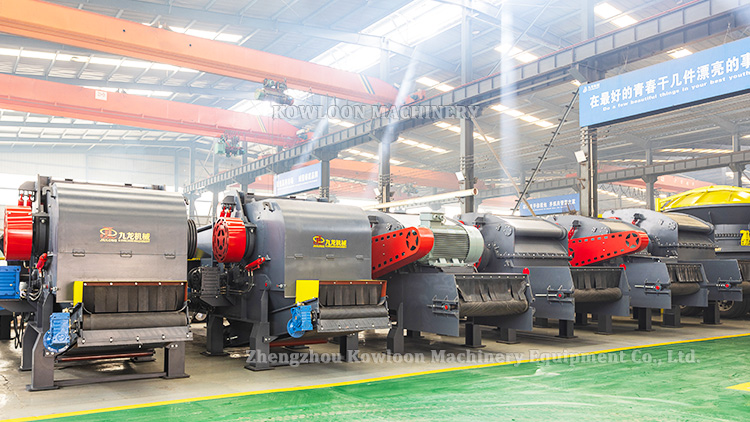
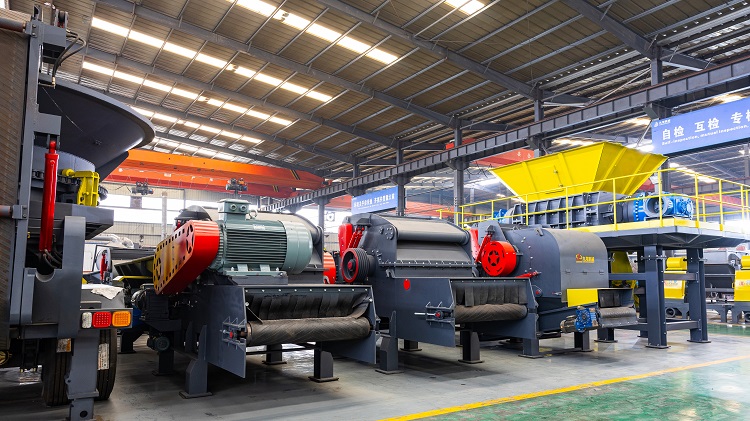
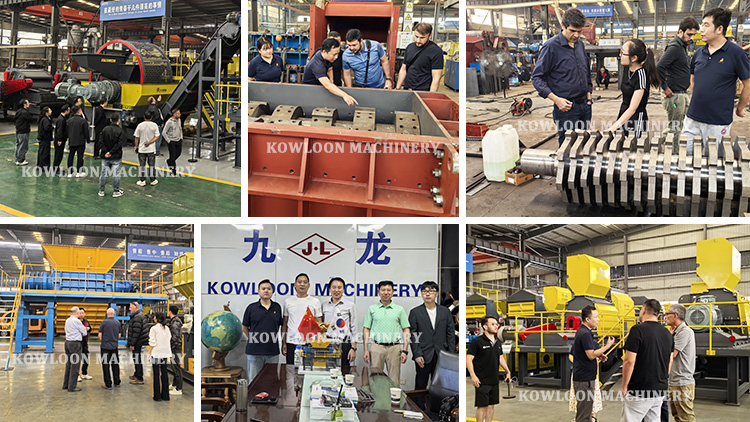
We warmly welcome customers from around the world to visit our factory and see the equipment manufacturing process in person. During the visit, you can observe raw material machining, blade production, machine assembly, and live testing with real scrap materials. This transparent process helps customers clearly understand our production standards, quality control, and equipment performance before placing an order.
Our engineers will also provide on-site explanations and discuss your project requirements, offering practical suggestions for your waste recycling line. A factory visit is the best way to build confidence in the machine quality and our long-term cooperation.
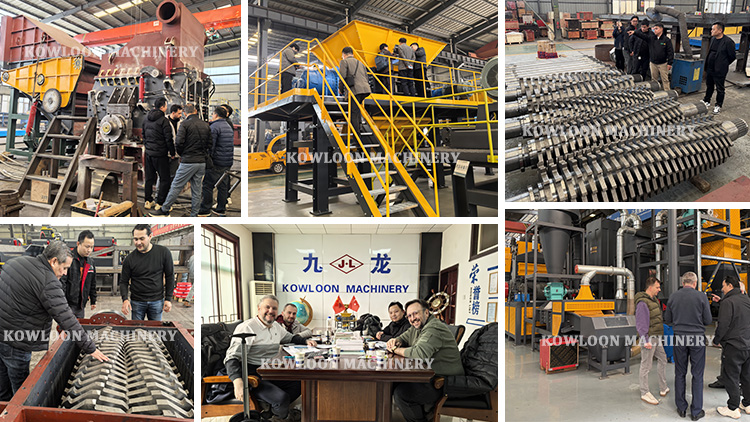
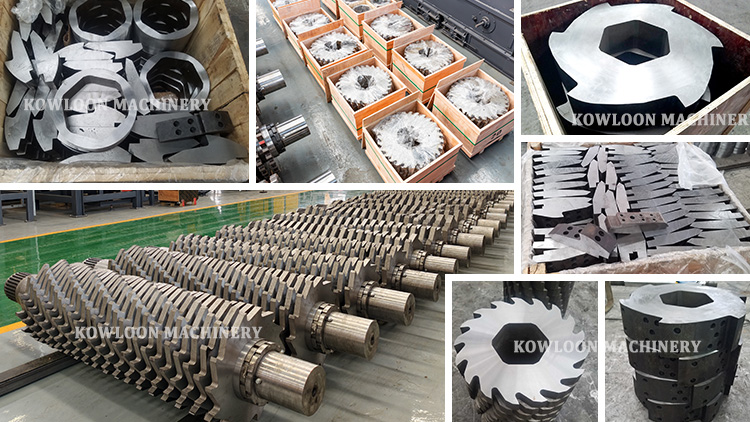
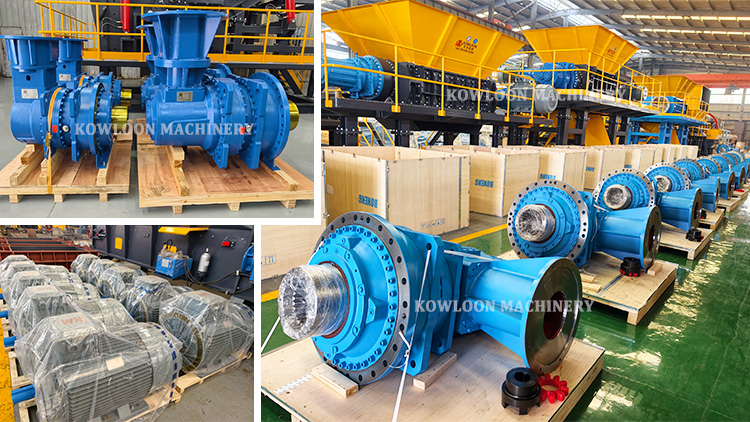
To ensure long-term, stable operation of the equipment, we provide a complete spare parts supply system and reliable after-sales support. Key components such as shredder blades, shafts, bearings, and gearbox parts are manufactured with high-strength alloy materials and kept in regular stock for fast replacement. Our blade design focuses on wear resistance and easy maintenance, allowing customers to reduce downtime and operating costs.
We also offer clear guidance on blade replacement, routine maintenance, and spare parts management. With sufficient inventory and responsive technical support, customers can quickly obtain original parts and professional assistance whenever needed, ensuring the equipment continues to run efficiently in demanding waste recycling environments.
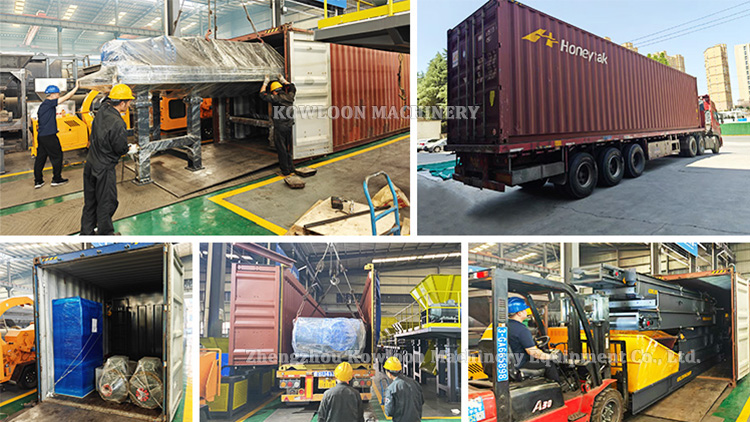
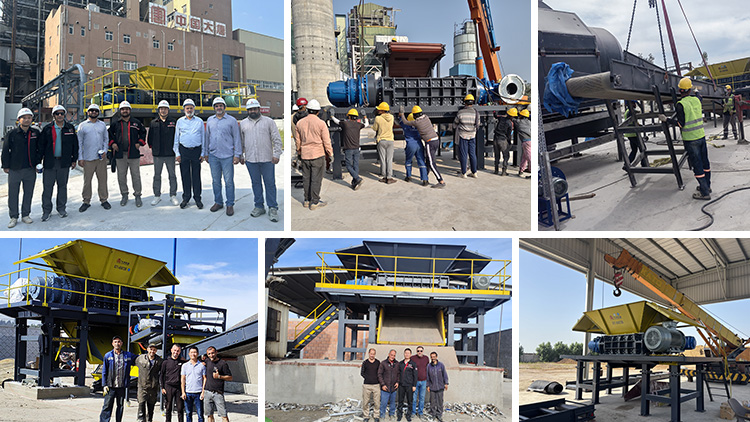
We provide complete support for the shipping and installation of every equipment to ensure smooth delivery and fast commissioning at the customer site. Before shipment, each machine is carefully packed, reinforced, and loaded to prevent damage during long-distance transportation. Detailed layout drawings, foundation requirements, and electrical connection plans are prepared in advance to help customers get ready before the equipment arrives.
After delivery, our engineers offer remote guidance or on-site installation support, including assembly, wiring, testing, and operator training. From unloading the machine to trial operation with real scrap materials, we ensure the equipment runs safely and efficiently as part of the waste recycling line.
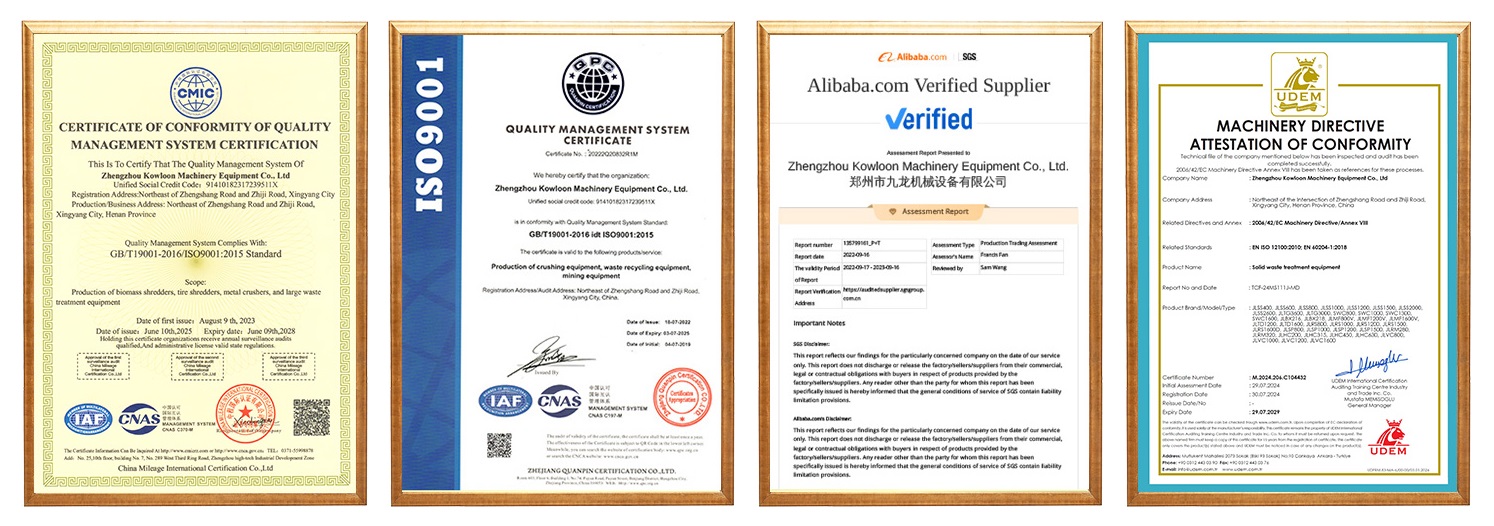
Our waste recycling machines are manufactured in compliance with international quality and safety standards to ensure reliable performance in demanding recycling environments. The equipment is built according to CE requirements for machinery safety and follows ISO quality management standards throughout the production process. From raw material selection and machining to assembly and final testing, every step is strictly controlled to guarantee durability and operational stability. Certification documents and test reports can be provided upon request, giving customers full confidence that the equipment meets global industry requirements for waste recycling applications.
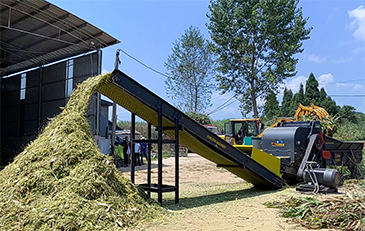
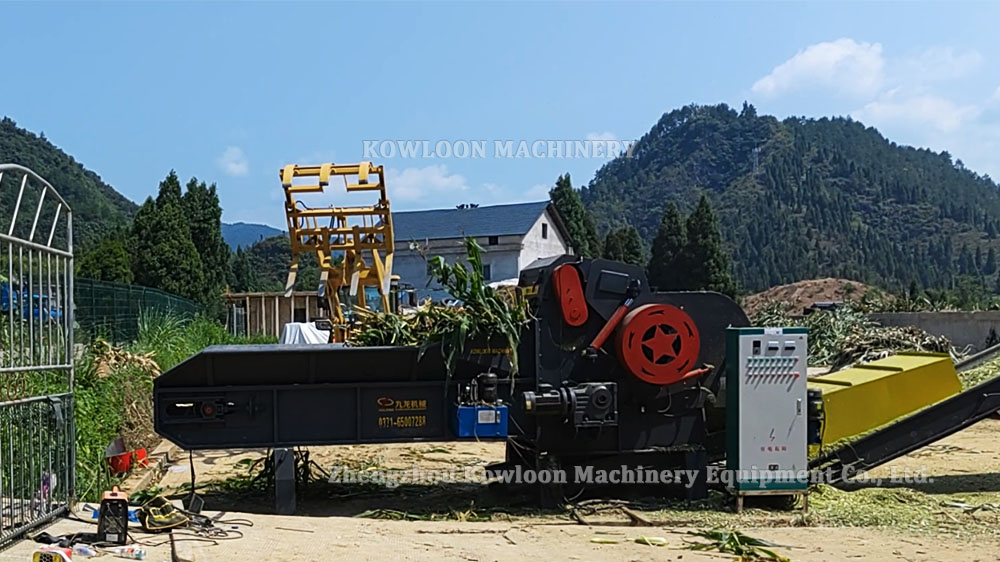
Mainly used for processing corn stalks, sugarcane, soybean stalks, reed stalks, peanut vines, coconut branches, palm leaves, banana leaves, ryegrass, etc. The final material is packaged and fermented by a baler. The plastic film can ensure the internal sealing and can be preserved for a long time. It is a good helper for the storage and transportation of fermented feed.
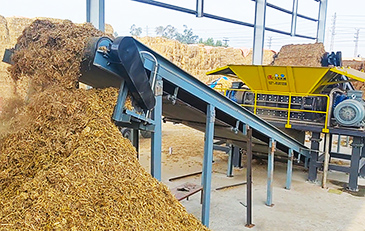
Kowloon straw recycling system based on the characteristics of biomass fuels. The overall structure is designed according to customer needs and meets the actual production needs of customers. Rice straw shredder uses double-axis shearing crushing, which can automatically adjust the feed speed according to the load of the main motor. The overall system is intelligent, with strong processing capacity, high crushing efficiency, and can meet long-term stable operation.
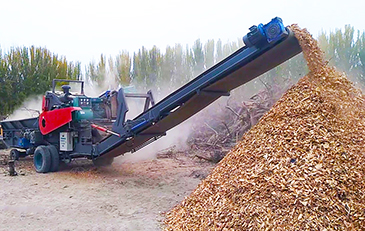
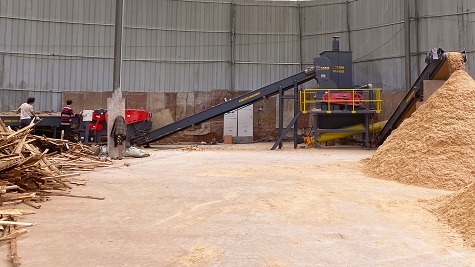
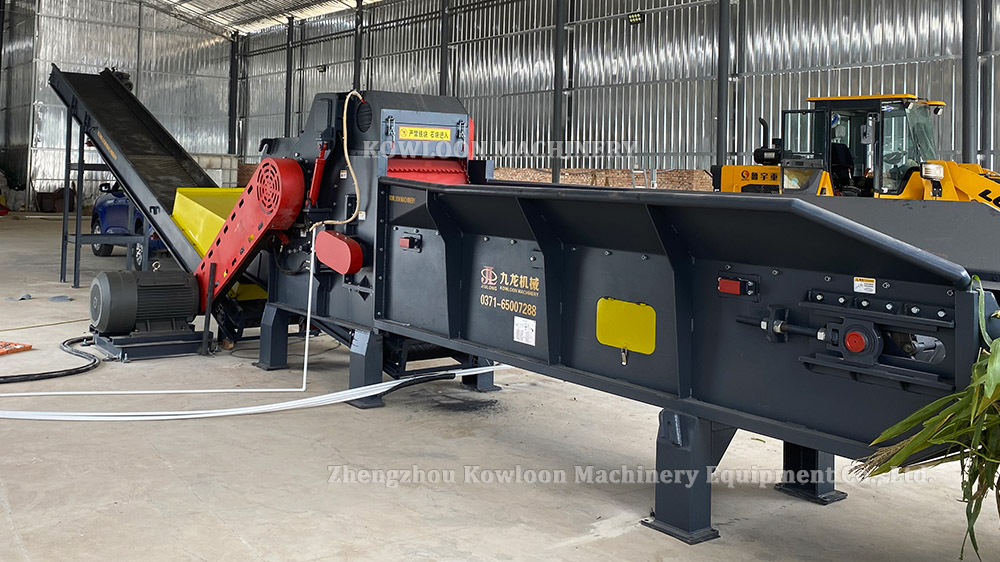
The heavy duty chipper shredder can convert waste wood into uniformly sized wood chips. It achieves the crushing process by impacting, shearing, and tearing wood through high-speed rotating blades or hammers. The device structure includes multiple parts such as transmission, crushing, and screening . It is suitable for processing various types of waste wood, such as branches, logs, waste furniture, nailed boards, wooden pallets, etc.