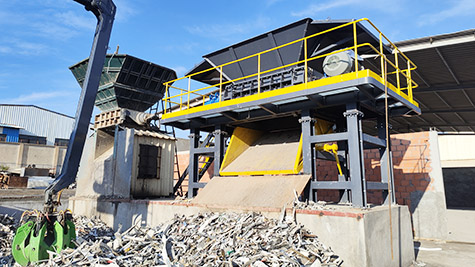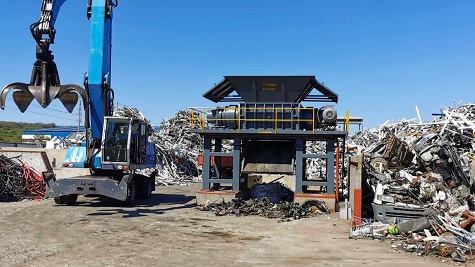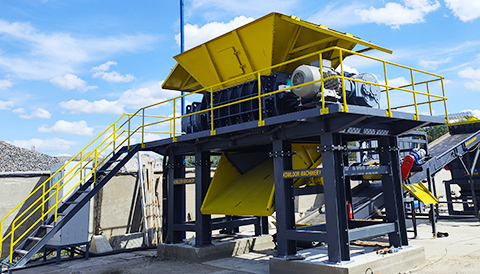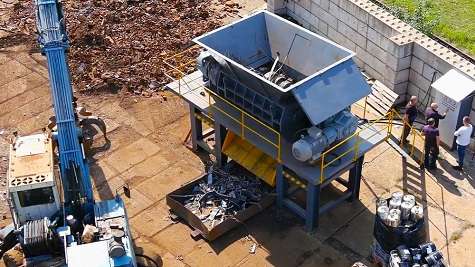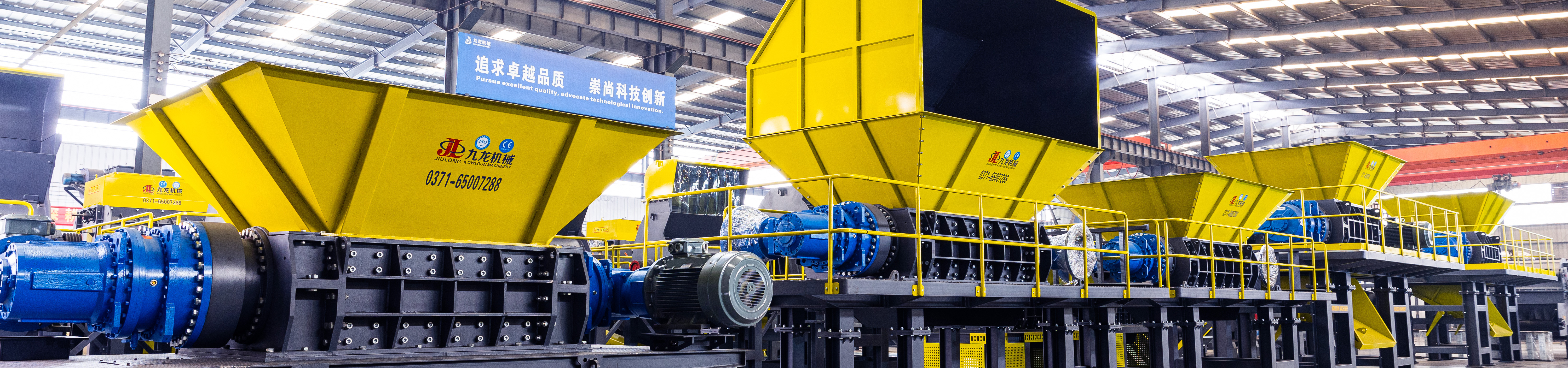
Our metal shredder is designed to process a wide range of scrap materials, including car bodies, steel drums, paint buckets, home appliances, aluminum cans, iron sheets, and mixed metal waste. With a low-speed, high-torque dual-shaft design, it delivers stable shredding performance and handles both light and heavy scrap efficiently, with capacities ranging from 5 to 30 tons per hour depending on the model. As the core equipment in a complete scrap metal recycling line, this metal shredder prepares materials for magnetic separation, crushing, and sorting, improving recycling efficiency and maximizing material value. The metal shredder is widely used in scrap yards, recycling plants, steel mills, and waste management facilities. As the first key piece of equipment, it is responsible for shredding the bulky scrap metal into suitable sizes that are easy to sort and classify in the subsequent process, and has become an indispensable part of modern scrap metal recycling operations.
We provide machine testing for free, witness the strength and quality of the machine with your own eyes. Contact us for details and price!
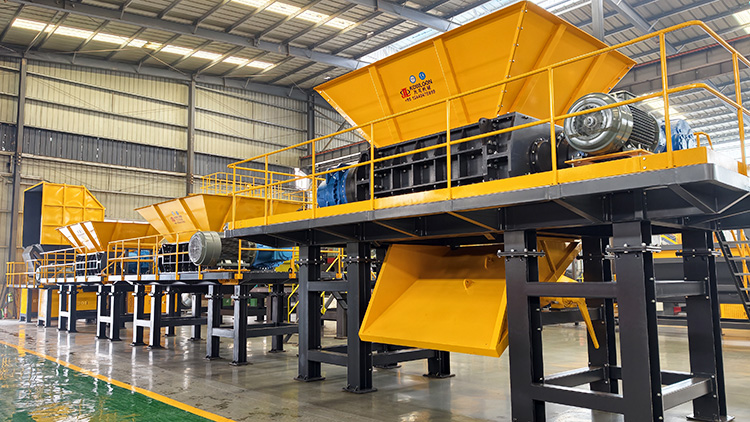
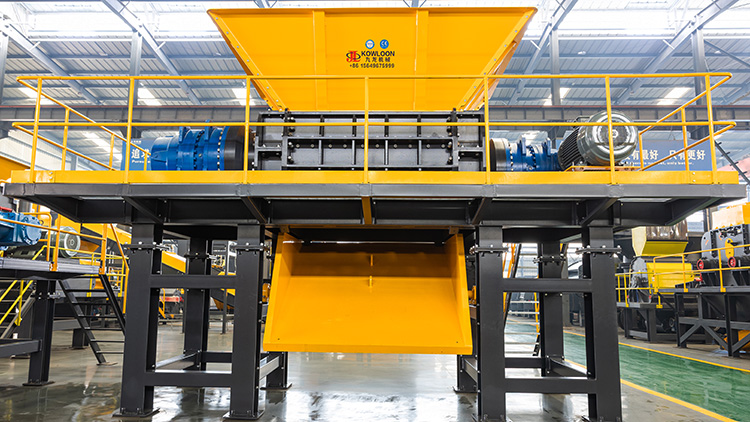
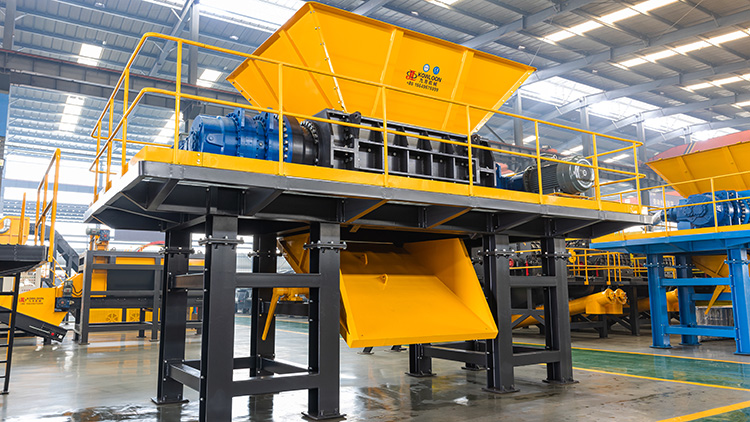
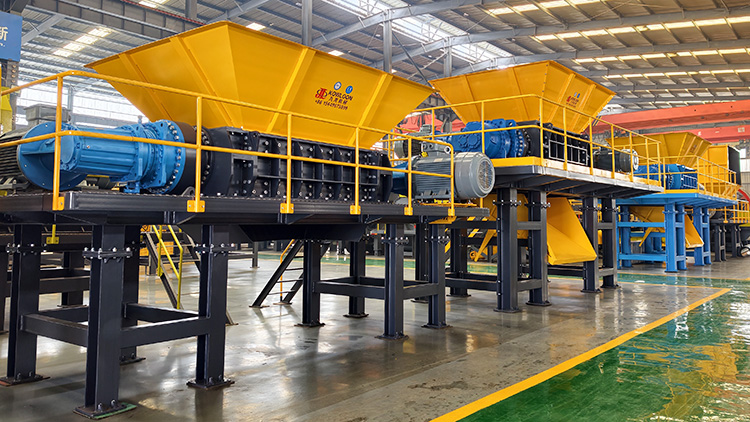
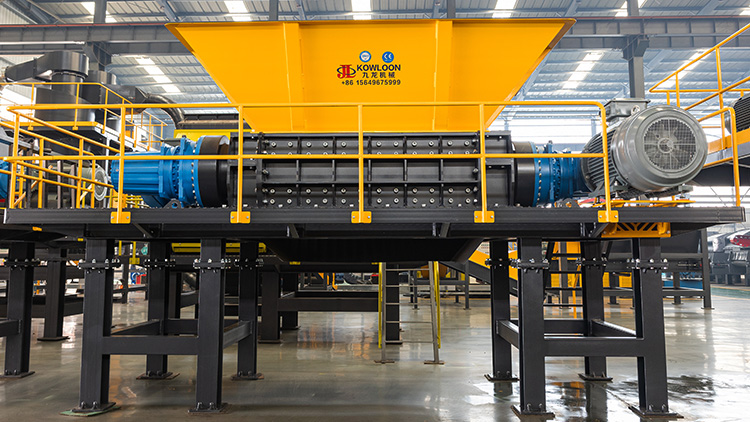
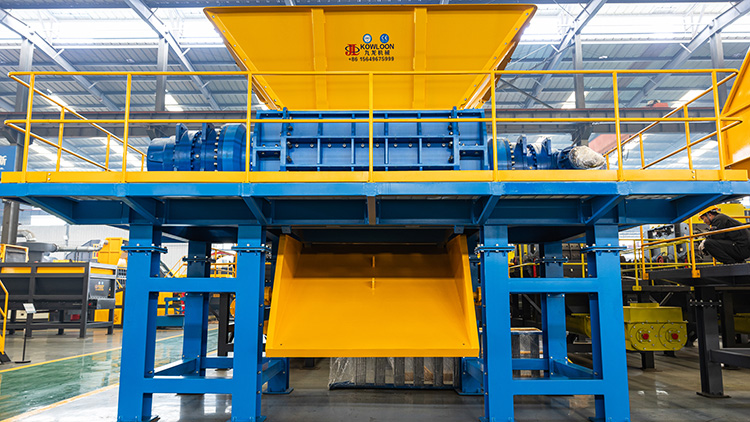
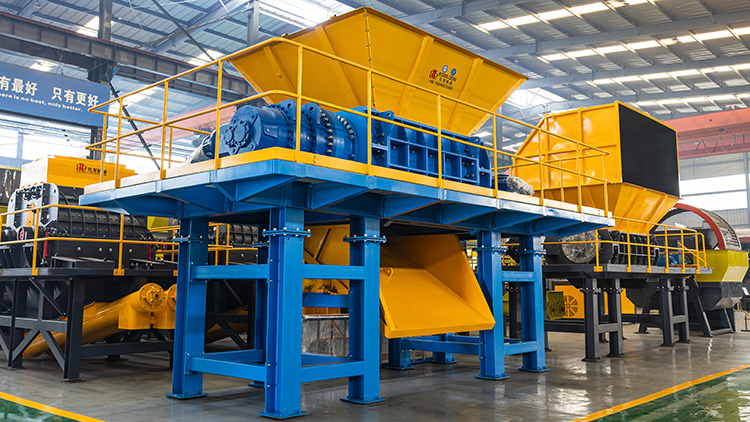
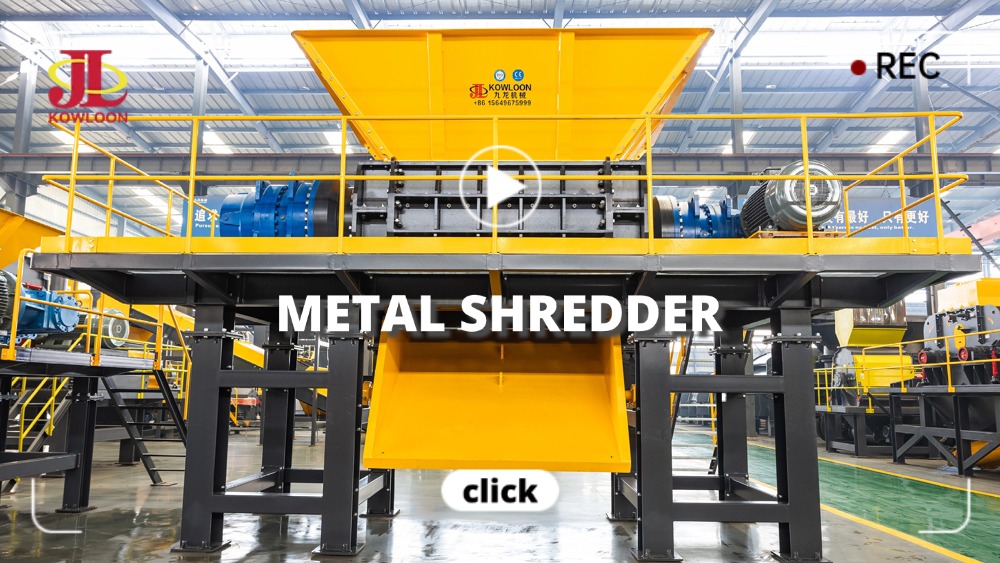
Metal shredder is designed to efficiently process a wide range of ferrous and non-ferrous scrap materials, making it a core machine in modern recycling and metal recovery systems. It can handle scrap steel, iron, aluminum, copper, lead, and stainless steel, including bulky items such as car body, household appliance, steel drum, metal cans, and industrial scrap. In addition, it is capable of processing mixed metal waste, production offcuts, construction metal debris, and end-of-life vehicles. By reducing large, irregular metal pieces into uniform, high-density fragments, a metal shredder improves downstream sorting efficiency, increases metal recovery rates, and reduces transportation and melting costs. This makes it an essential solution for metal recycling plants, scrap yards, and industrial waste processing facilities aiming for higher efficiency and sustainable resource utilization.
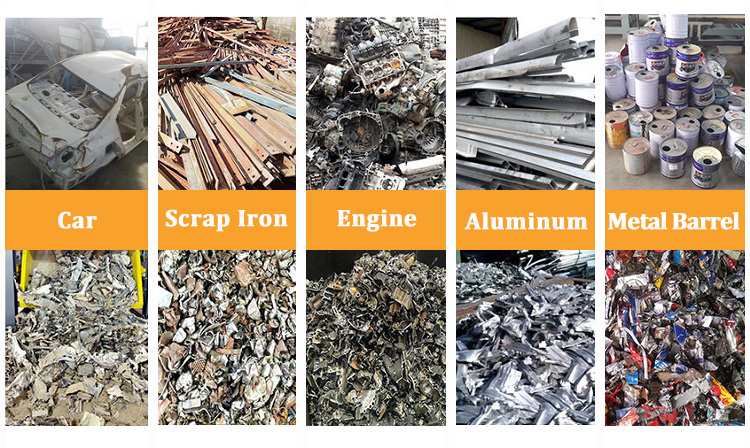
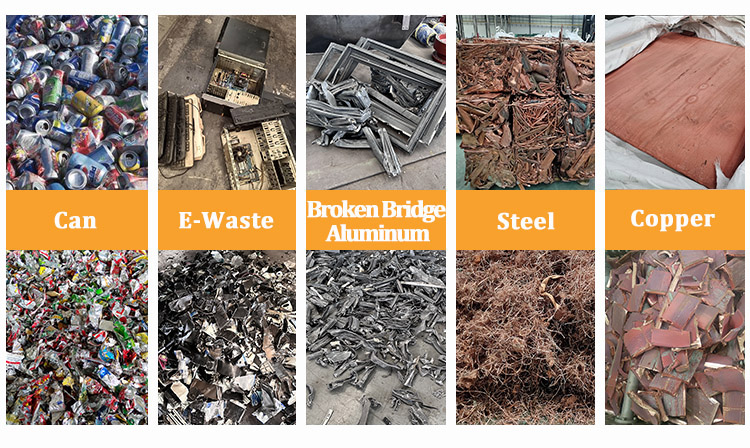
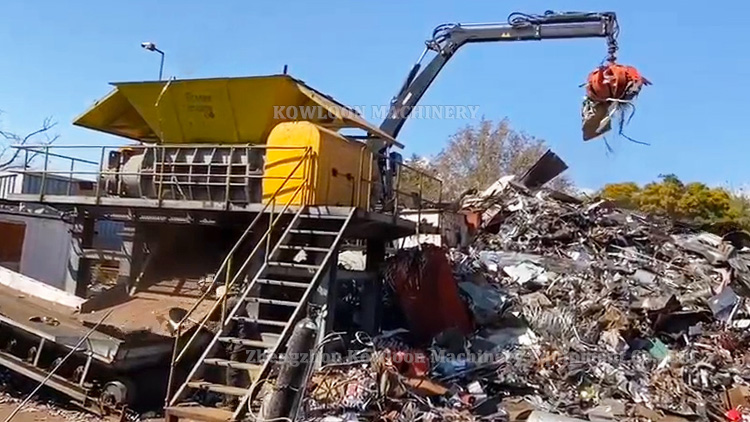
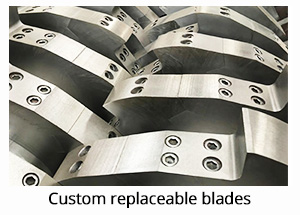
Metal shredder uses two low-speed, high-torque shafts equipped with interlocking alloy blades to grip and tear metal scrap from both sides. As materials such as car shells, steel drums, and appliances are fed into the chamber, the rotating shafts pull them inward and shear them into smaller pieces through powerful cutting and tearing action. The low rotational speed reduces dust, noise, and blade wear while delivering strong crushing force for heavy scrap. An automatic reverse system prevents blockage when unshreddable objects enter the chamber. The shredded output then moves by conveyor to magnetic separation, crushing, or sorting stages within the recycling line. Please watch the metal shredder working video below:
Different metal shredder models are designed to handle specific types of scrap metal and production capacities. Smaller models are ideal for light materials such as aluminum cans and thin iron sheets, while medium models are suitable for steel drums and mixed scrap. Larger heavy-duty models are built for processing bulky and thick materials like scrap car bodies and heavy metals. The variation in motor power, shaft size, and blade thickness directly affects shredding strength and hourly output, which can range from 5 to 30 tons per hour. Choosing the correct model depends on the material type, required capacity, and the overall configuration of your scrap metal recycling line. These specifications show that different models are designed for different scrap densities and capacities.
|
Model |
JLSS1200D |
JLSS1500D |
JLSS2000D |
JLSS2600D |
|
Motor |
30kW+30kW | 30kW+30kW / 75kW+75kW | 75kW+75kW / 90kW+90kW / 110kW+110kW | 160kW+160kW |
|
Gearbox |
planetary type, gear transmission | |||
|
Shaft |
solid shaft, made of 40Cr, hardened and tempered | |||
|
Shredder chamber (inner) |
1120*1000 mm | 1450*1100 mm | 1920*1250 mm | 2425*1400 mm |
|
Rotor rotary speed |
6-8 rpm | 6-8 rpm | 4-6 rpm | 4-6 rpm |
|
Blade type |
Detachable type | |||
|
Shaft diameter |
530mm | 530mm / 650mm | 600mm / 650mm / 720mm / 730mm / 800mm | 800mm |
|
Lubrication system |
with automatic oil lubricator | |||
|
Dimension |
3.2*2*1.9 m | 4.04*2.45*2.6 m | 5.48*2.79*3.05 m | 7.74*4.12*4.72 m |
|
Weight |
17000 kg |
22000 kg |
34000 kg |
58000 kg |
Our Metal Shredder is the ideal choice for efficient, eco-friendly metal waste processing. With advanced features, high durability, and energy-saving design, it will help you improve production efficiency, reduce operating costs, and comply with global environmental standards. Our metal shredder has been successfully deployed in countries like Poland, Russia, Saudi Arabia, South Africa, Algeria, and more, and we’ve received high praise from customers worldwide. If you’re interested in learning more or need a quote, please feel free to contact us.
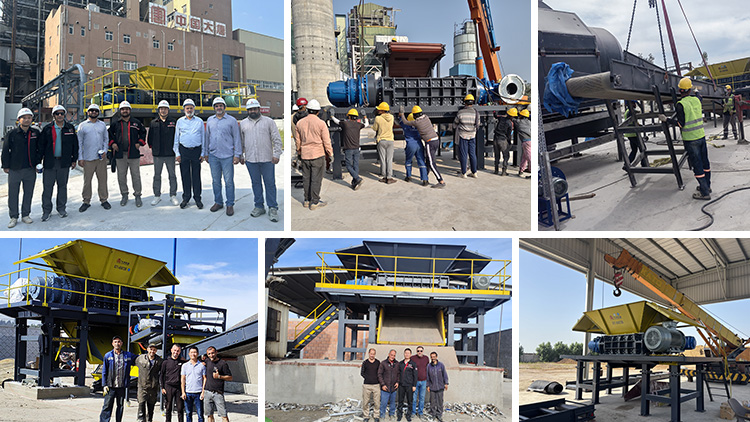
Project 1: In 2026, a scrap metal recycling was installed in Libya, include metal shredder, metal crusher, magnetic separator, drum screen, eddy current separator, and other equipment, ensuring high production capacity, effectively improves metal recovery rate and finished product purity.
Project 2: In 2021, a scrap metal recycling company in Poland installed a Model JLSS2000D metal shredder at its facility to process heavy metals, waste oil drums, and industrial waste. This equipment is capable of continuous operation under heavy loads, processing over 20 tons of scrap metal per hour.
Project 3: In 2023, a JLSS2000D metal shredder was installed in Russia to process 15 tons/hour scrap metal and car bodies. The system became the primary equipment in the customer’s recycling line, significantly improving shredding efficiency and metal recovery rate.
Project 4: In 2025, a JLSS2000D metal shredder was installed in Algeria to process scrap car frames and heavy steel sections at 18 tons per hour.
Project 5: In South Africa, a client utilizes the JLSS2000D metal shredder as the primary processing unit within a complete scrap metal recycling production line. This shredder is capable of performing impeccable pre-treatment of the material, thereby fully preparing it for subsequent crushing and sorting operations.
Project 6: In 2025, a JLSS2000D unit was installed in Saudi Arabia for shredding heavy steel structures, broken bridge aluminum, and scrap vehicle parts at approximately 20 tons per hour.
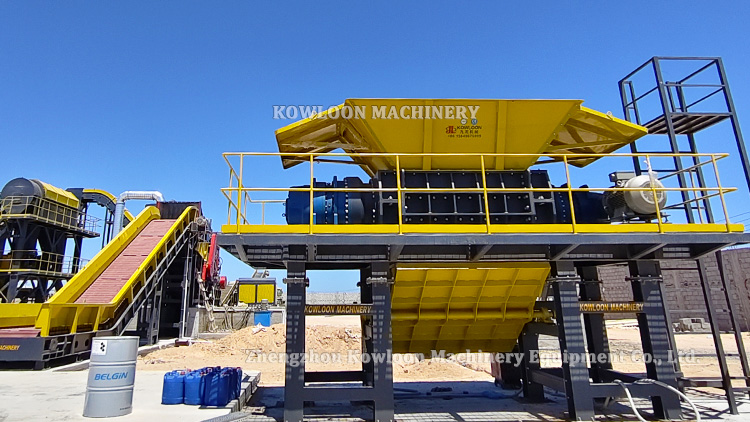
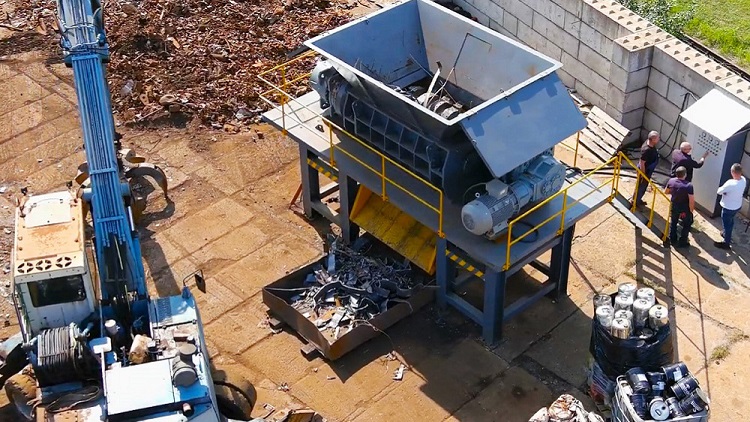
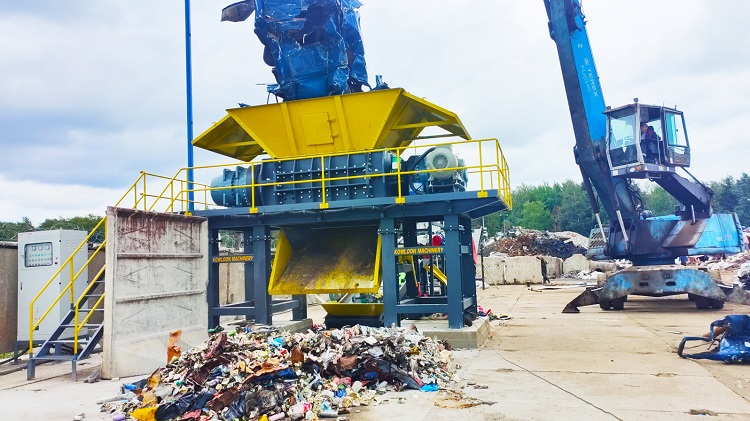
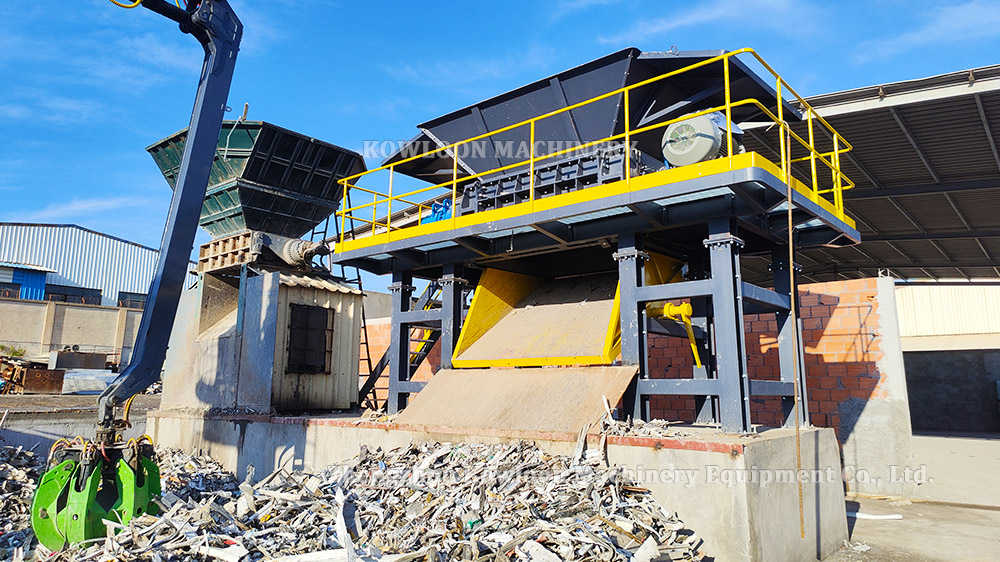

Tell us your raw material type, capacity, and workshop size. Our engineers will recommend the right model, provide a price list, and design a free 2D layout plan for your metal recycling business. Contact us now!
The low-speed, high-torque dual-shaft design allows the metal shredder to tear apart large items such as car bodies, steel drums, appliances, and structural steel without pre-cutting, reducing labor and preparation time.
Compared with high-speed crushing equipment, the shredder operates at slow rotational speed, which significantly reduces vibration, noise, and dust generation during operation.
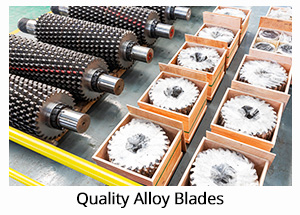
Alloy steel blades and the tearing principle reduce direct impact, resulting in slower wear, longer service intervals, and lower maintenance costs.
The output size after shredding is ideal for magnetic separation, crushing, and sorting, improving metal liberation and increasing recycling purity.
When unshreddable materials enter the chamber, the machine automatically reverses to prevent jamming and protect the shafts and blades.
A metal shredder is typically the first stage of a scrap metal recycling system, reducing material size and volume before further processing steps.
From aluminum cans and thin sheets to heavy car shells and beams, the shredder can process mixed scrap with consistent performance.
By shredding bulky scrap into smaller pieces, the machine lowers transportation costs and improves storage efficiency for recycling facilities.
Kowloon Machinery offers powerful electric motor, variable frequency (VFD) motor, and hydraulic drive configurations to match different materials, capacity requirements, and operating conditions. Our engineers recommend the most suitable drive system to ensure high torque, stable performance, energy efficiency, and reliable operation for every shredding application.
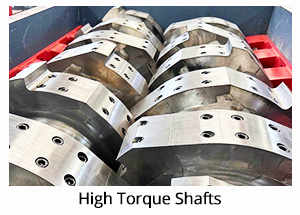
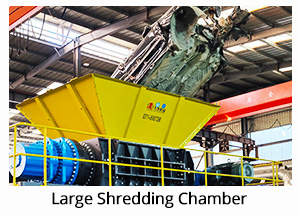
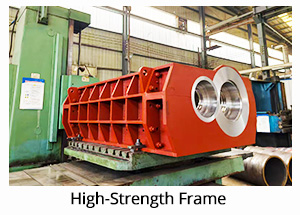
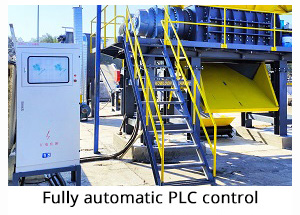
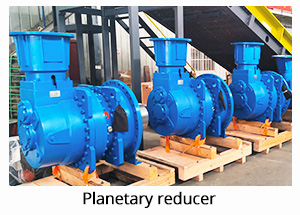
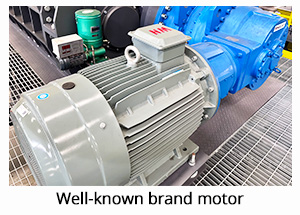
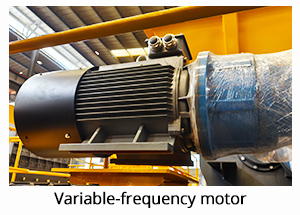
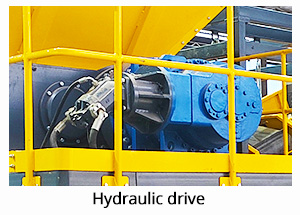
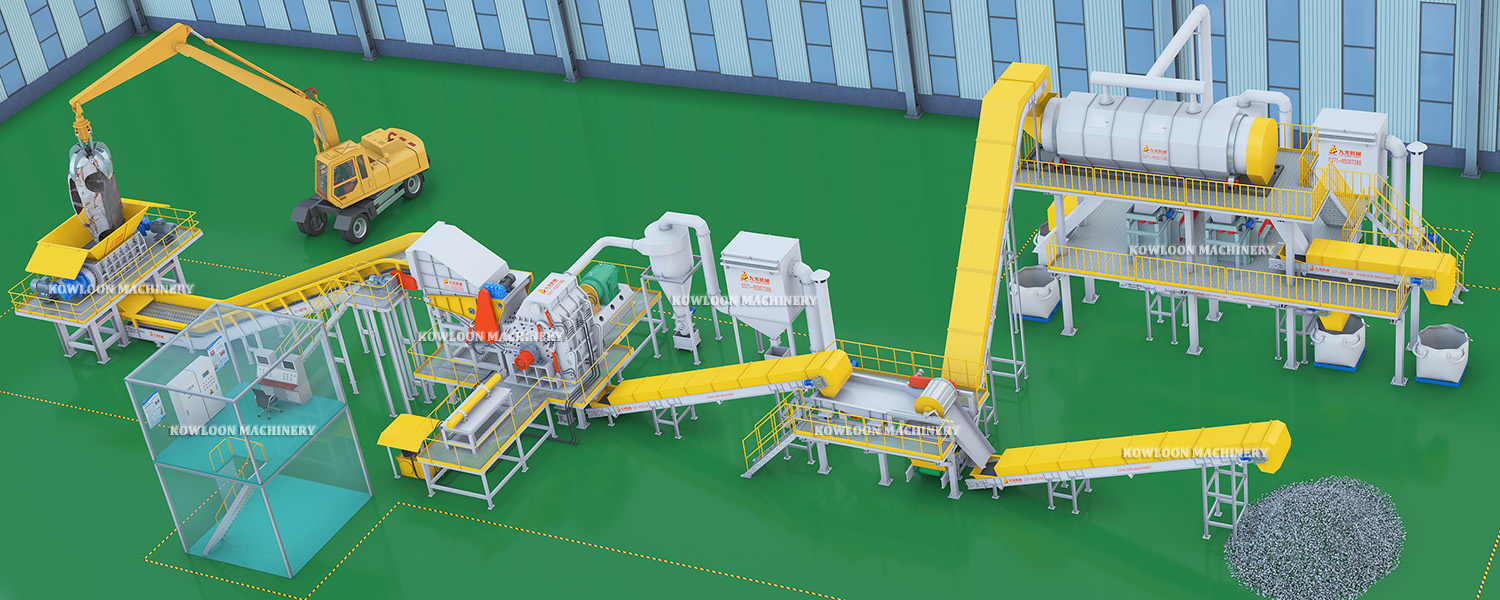
A complete scrap metal recycling line is built around the metal shredder as the primary size-reduction equipment. Scrap materials such as car bodies, steel drums, appliances, and mixed metal waste are first fed by grab crane into the double shaft shredder, where they are torn into manageable pieces by low-speed, high-torque shafts. The shredded material is then discharged onto a conveyor and passes through a magnetic separator to remove ferrous metals from mixed waste.
Next, the material can enter a metal crusher for further size reduction, improving liberation between different metals. After crushing, additional separation equipment such as magnetic separators, eddy current separators, and air sorting systems are used to separate iron, aluminum, copper, and non-metal residues. Finally, the sorted metals are collected, stored, or baled for resale.
This systematic process increases recycling efficiency, improves metal purity, reduces transportation volume, and maximizes the economic value of scrap metal.
As a professional manufacturer with years of experience, we provide integrated scrap metal recycling equipment tailored for customers planning to start this business. If you want to know more about equipment configuration, quotation, factory layout or technical details, please leave a message or contact us directly—our professional team will provide you with a tailor-made solution as soon as possible!
| Feature | Metal Shredder | Metal Crusher |
| Working principle | Low speed, high torque tearing and shearing | High speed impact and hammering |
| Typical role in line | Primary size reduction (first stage) | Secondary or tertiary crushing |
| Suitable materials | Bulky, mixed, heavy scrap | Brittle, pre-shredded, lighter scrap |
| Examples | Car shells, drums, appliances, beams | Cast parts, thin sheets, fragments |
| Output size | 30–200 mm (adjustable by blade/screen) | 5–50 mm (finer particles) |
| Rotor speed | 4–12 rpm | 600–1200 rpm |
| Dust and noise | Low | Higher due to impact force |
| Blade/hammer wear | Slower wear, longer service life | Faster wear, frequent replacement |
| Power consumption | Efficient for heavy tearing | Higher for fine crushing |
| Risk of blockage | Low with auto-reverse function | Possible if fed bulky scrap |
| Maintenance | Easier blade replacement | Frequent hammer and liner service |
| Metal liberation | Good pre-conditioning for separation | Good for final size reduction |
| Best application | First step in recycling line | After shredder for size refinement |
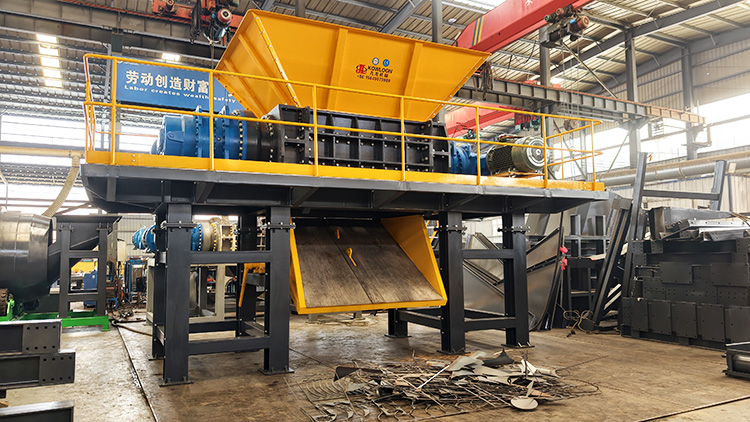
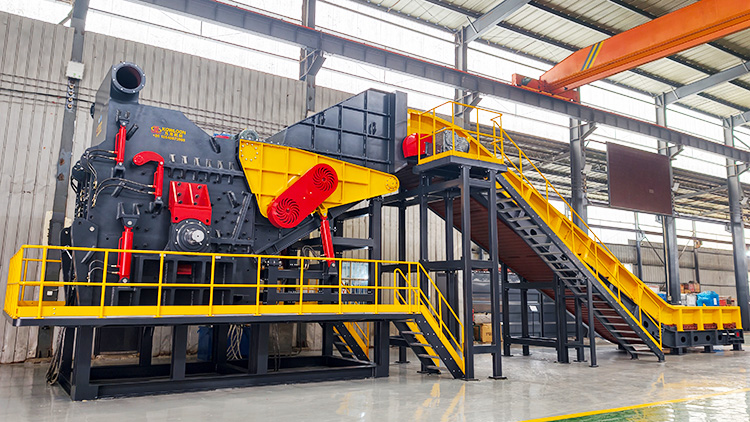
A: Our metal shredder can process a wide range of scrap materials, including car bodies, steel drums, paint buckets, aluminum cans, iron sheets, home appliances, oil filters, motor rotors, and mixed metal waste. Its low-speed, high-torque design allows it to handle both light and heavy scrap efficiently, reducing bulky metal into manageable pieces for further recycling steps such as magnetic separation and sorting.
A: Depending on the model and material type, a metal shredder can process from 5 to 30 tons per hour. Smaller models are ideal for light scrap like cans and thin sheets, while larger machines are built for heavy scrap such as car shells, steel beams, and thick metal structures, ensuring stable performance under continuous heavy-duty operation.
A: The cost of a metal shredder varies based on model size, motor power, blade configuration, and overall capacity requirements. Factors such as the type of scrap you process, desired output size, and whether it is part of a full recycling line also affect pricing. Most projects require a customized solution to match production goals and budget.
A: The output size typically ranges from 30 mm to 200 mm, depending on blade thickness, shaft design, and screen configuration. This size is ideal for the next recycling steps, such as magnetic separation, metal crushing, or density sorting, helping to improve material purity and overall recycling efficiency.
A: Yes, heavy-duty metal shredders are specifically designed to handle scrap car bodies, including frames, doors, and structural parts. The powerful dual shafts and wear-resistant blades easily tear apart thick steel components, making the material suitable for downstream separation and recycling processes.
A: Metal shredder can efficiently shred steel drums, paint buckets, and metal containers, even if they are slightly deformed. The machine reduces them into small fragments, preventing material blockage and preparing them for magnetic separation and further processing in a recycling line.
A: Metal shredder uses low speed and high torque to tear materials apart, making it ideal for bulky, mixed, and heavy scrap. A metal crusher operates at high speed with impact force, suitable for brittle or pre-shredded metal. Shredders are typically used as the first stage in a recycling line.
A: Choosing the right model depends on the type of scrap, required capacity, desired output size, and your overall recycling process. Light scrap requires smaller models, while heavy scrap like cars and beams needs larger machines with higher torque and stronger blades. A proper evaluation ensures optimal performance and cost efficiency.
Share your scrap materials, required capacity, and available space with us. Our engineers will analyze your project, recommend the suitable metal shredder model, and provide a detailed price together with a free 2D layout plan for your scrap metal recycling line.
With 20 years of experience in manufacturing recycling equipment, Kowloon has developed reliable metal shredding solutions trusted by customers worldwide. To date, we have delivered 3000+ machines to recycling plants and scrap yards across 80+ countries, covering a wide range of metal waste applications. Every metal shredder is assembled, inspected, and undergoes 100% testing before shipment using real materials to ensure stable performance, safety, and readiness for operation upon arrival.
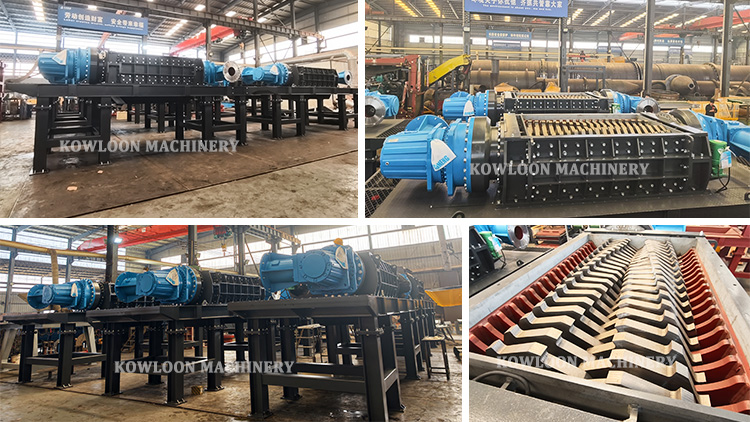
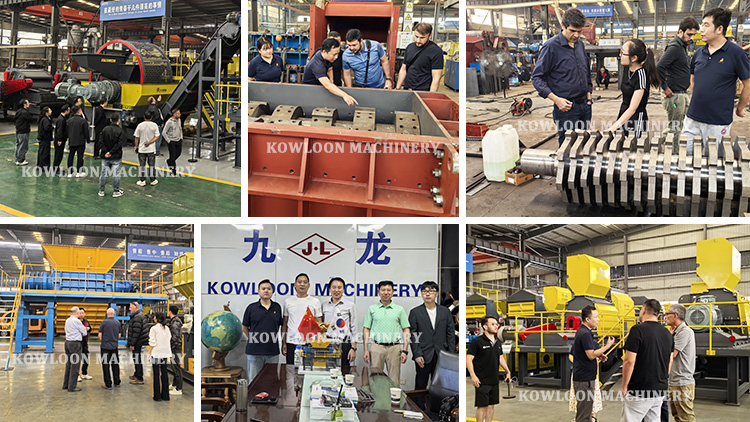
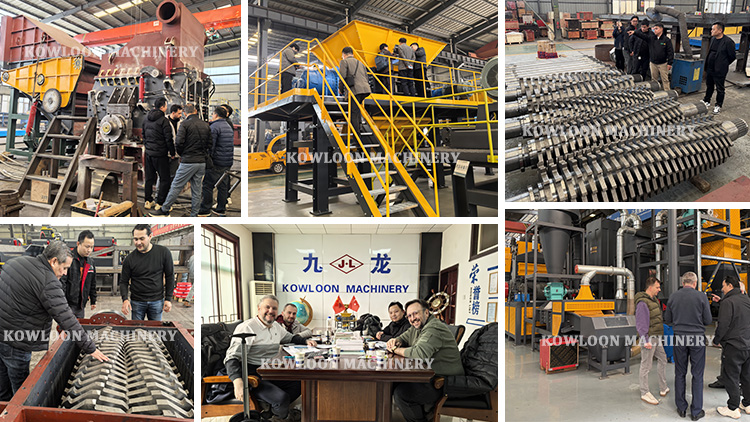
We warmly welcome customers from around the world to visit our factory and see the metal shredder manufacturing process in person. During the visit, you can observe raw material machining, blade production, machine assembly, and live testing with real scrap materials. This transparent process helps customers clearly understand our production standards, quality control, and equipment performance before placing an order.
Our engineers will also provide on-site explanations and discuss your project requirements, offering practical suggestions for your scrap metal recycling line. A factory visit is the best way to build confidence in the machine quality and our long-term cooperation.
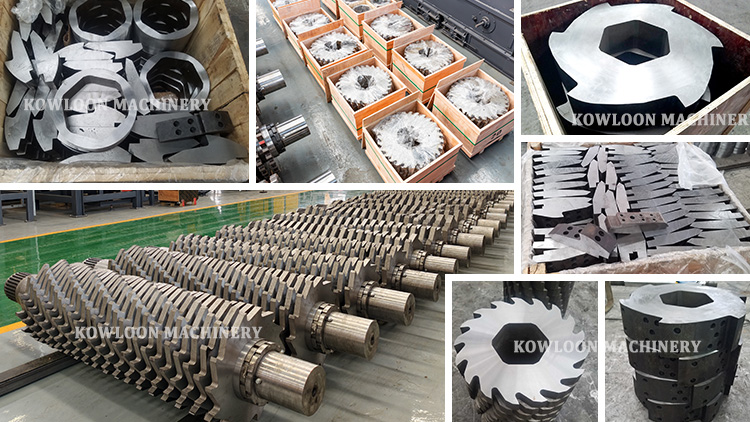
To ensure long-term, stable operation of the metal shredder, we provide a complete spare parts supply system and reliable after-sales support. Key components such as shredder blades, shafts, bearings, and gearbox parts are manufactured with high-strength alloy materials and kept in regular stock for fast replacement. Our blade design focuses on wear resistance and easy maintenance, allowing customers to reduce downtime and operating costs.
We also offer clear guidance on blade replacement, routine maintenance, and spare parts management. With sufficient inventory and responsive technical support, customers can quickly obtain original parts and professional assistance whenever needed, ensuring the metal shredder continues to run efficiently in demanding scrap metal recycling environments.
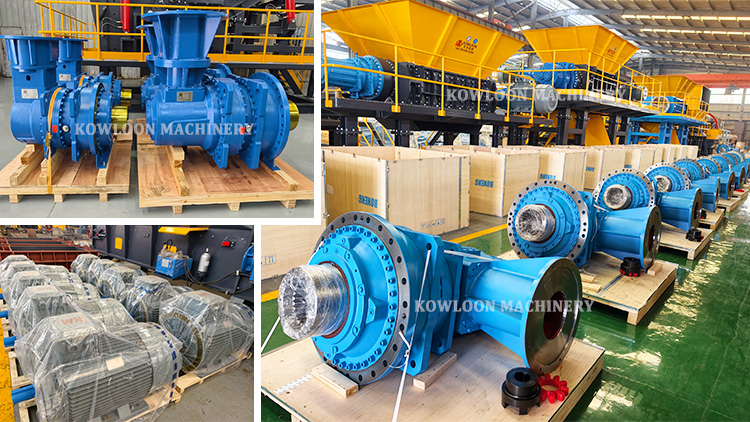
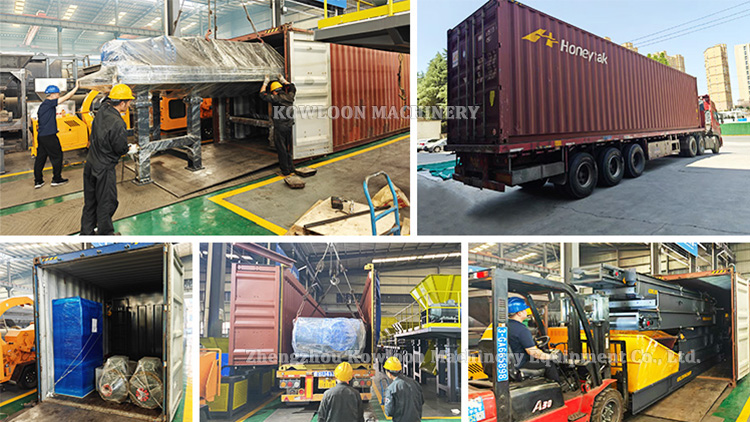
We provide complete support for the shipping and installation of every metal shredder to ensure smooth delivery and fast commissioning at the customer site. Before shipment, each machine is carefully packed, reinforced, and loaded to prevent damage during long-distance transportation. Detailed layout drawings, foundation requirements, and electrical connection plans are prepared in advance to help customers get ready before the equipment arrives.
After delivery, our engineers offer remote guidance or on-site installation support, including assembly, wiring, testing, and operator training. From unloading the machine to trial operation with real scrap materials, we ensure the metal shredder runs safely and efficiently as part of the scrap metal recycling line.
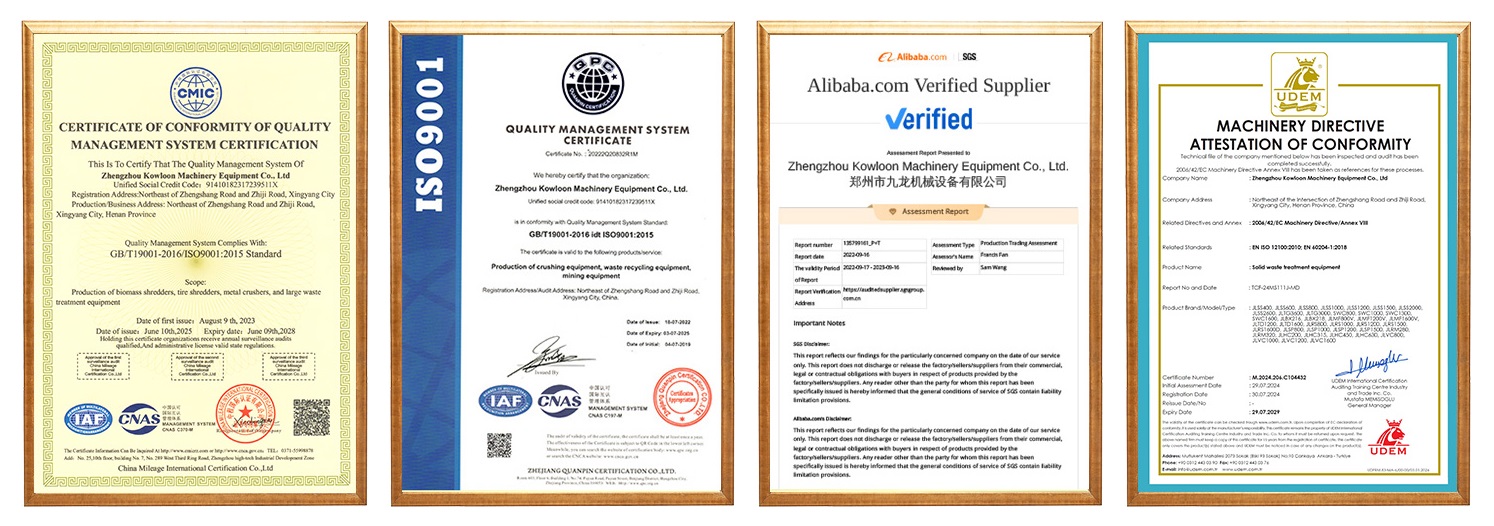
Our metal shredders are manufactured in compliance with international quality and safety standards to ensure reliable performance in demanding recycling environments. The equipment is built according to CE requirements for machinery safety and follows ISO quality management standards throughout the production process. From raw material selection and machining to assembly and final testing, every step is strictly controlled to guarantee durability and operational stability. Certification documents and test reports can be provided upon request, giving customers full confidence that the metal shredder meets global industry requirements for scrap metal recycling applications.